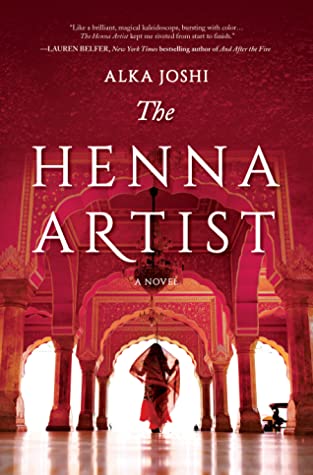
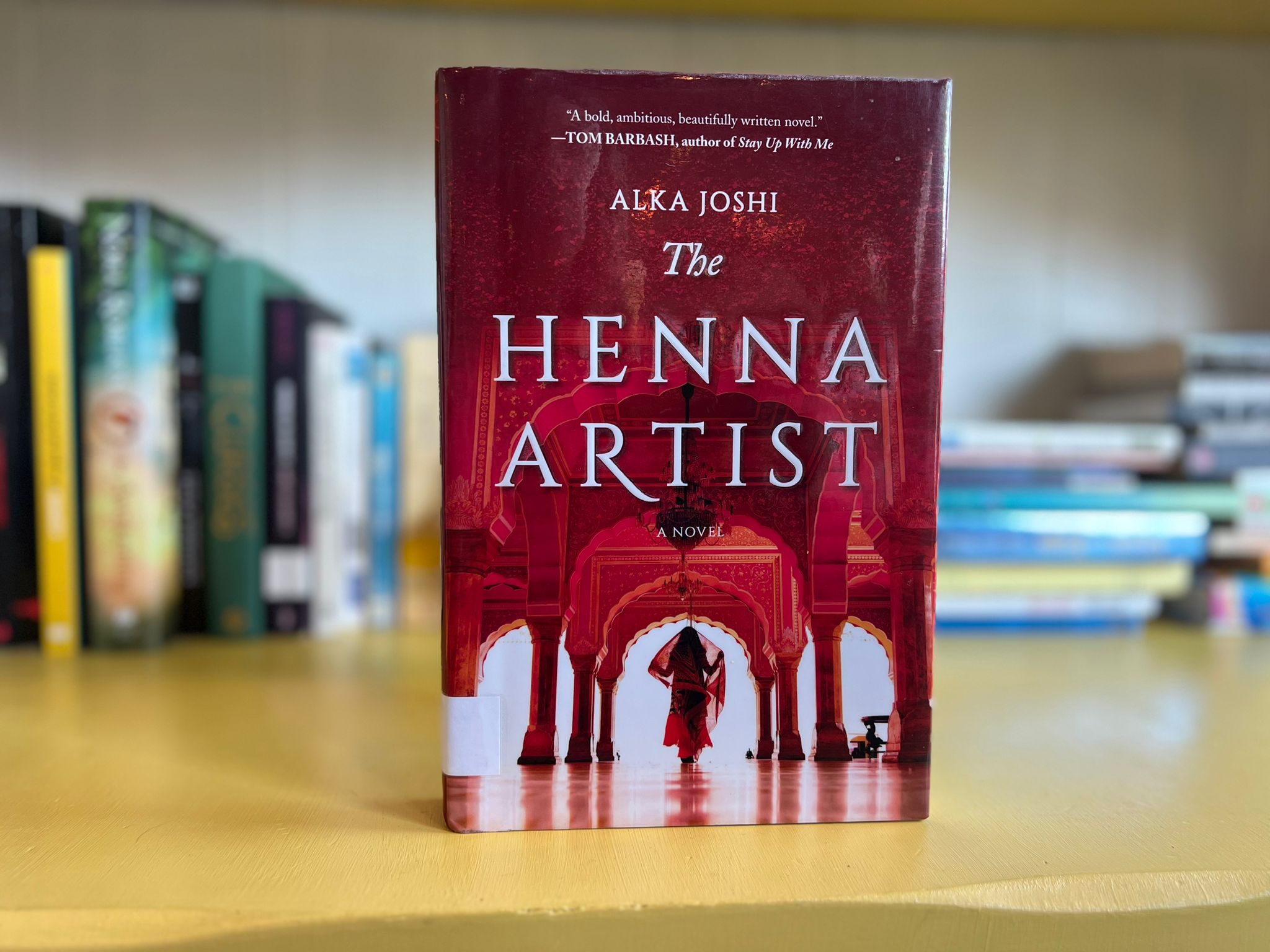
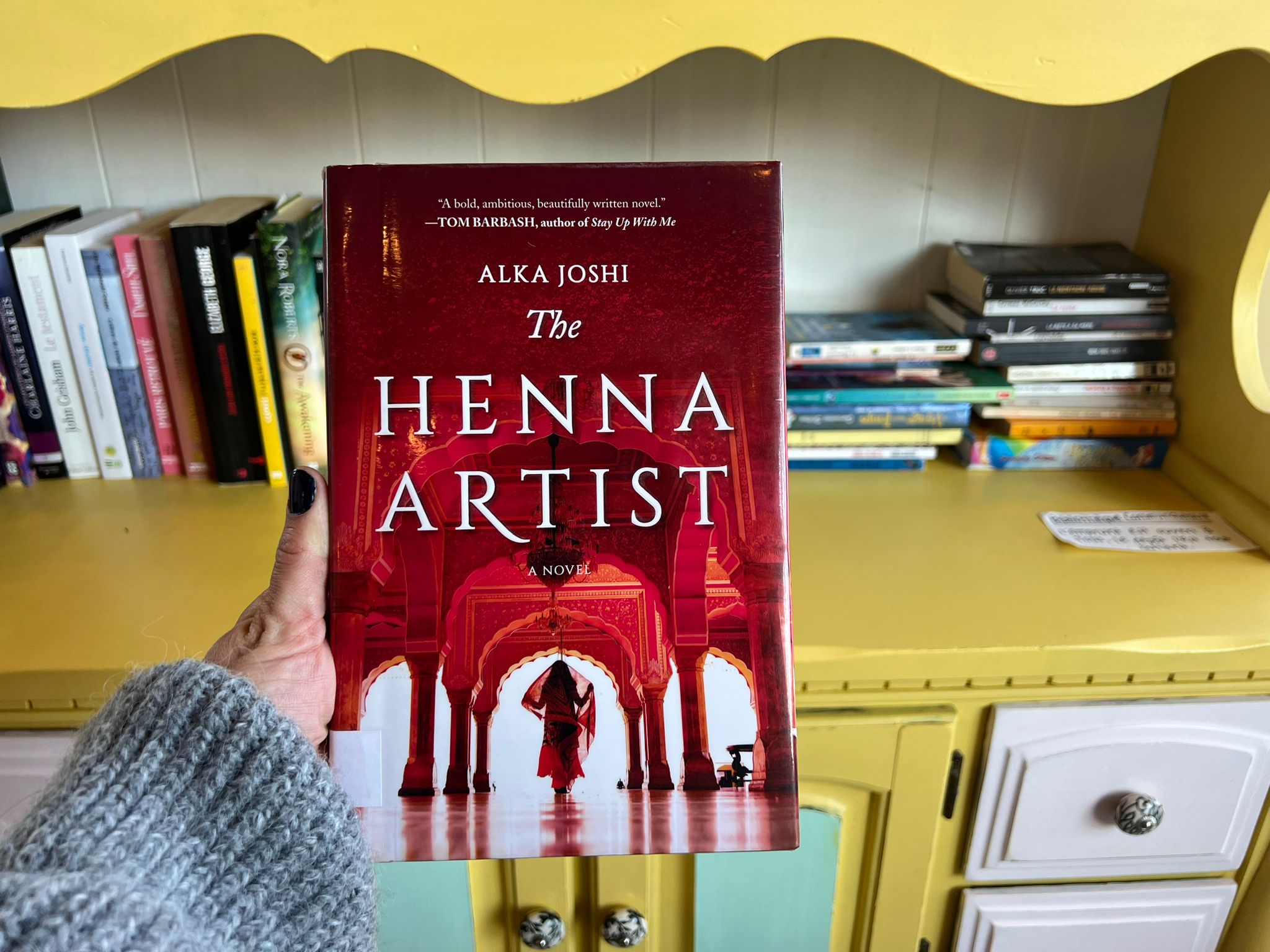
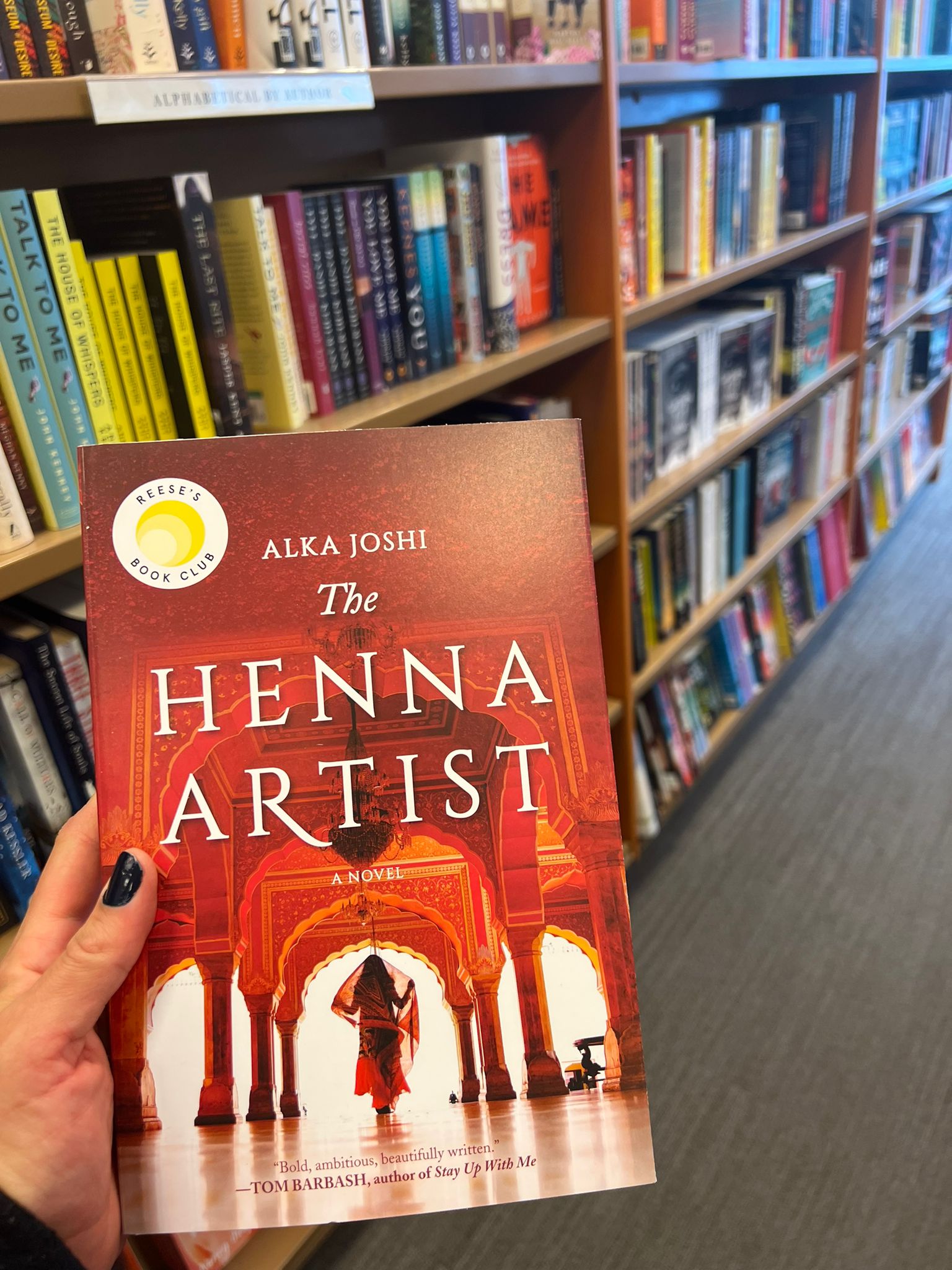
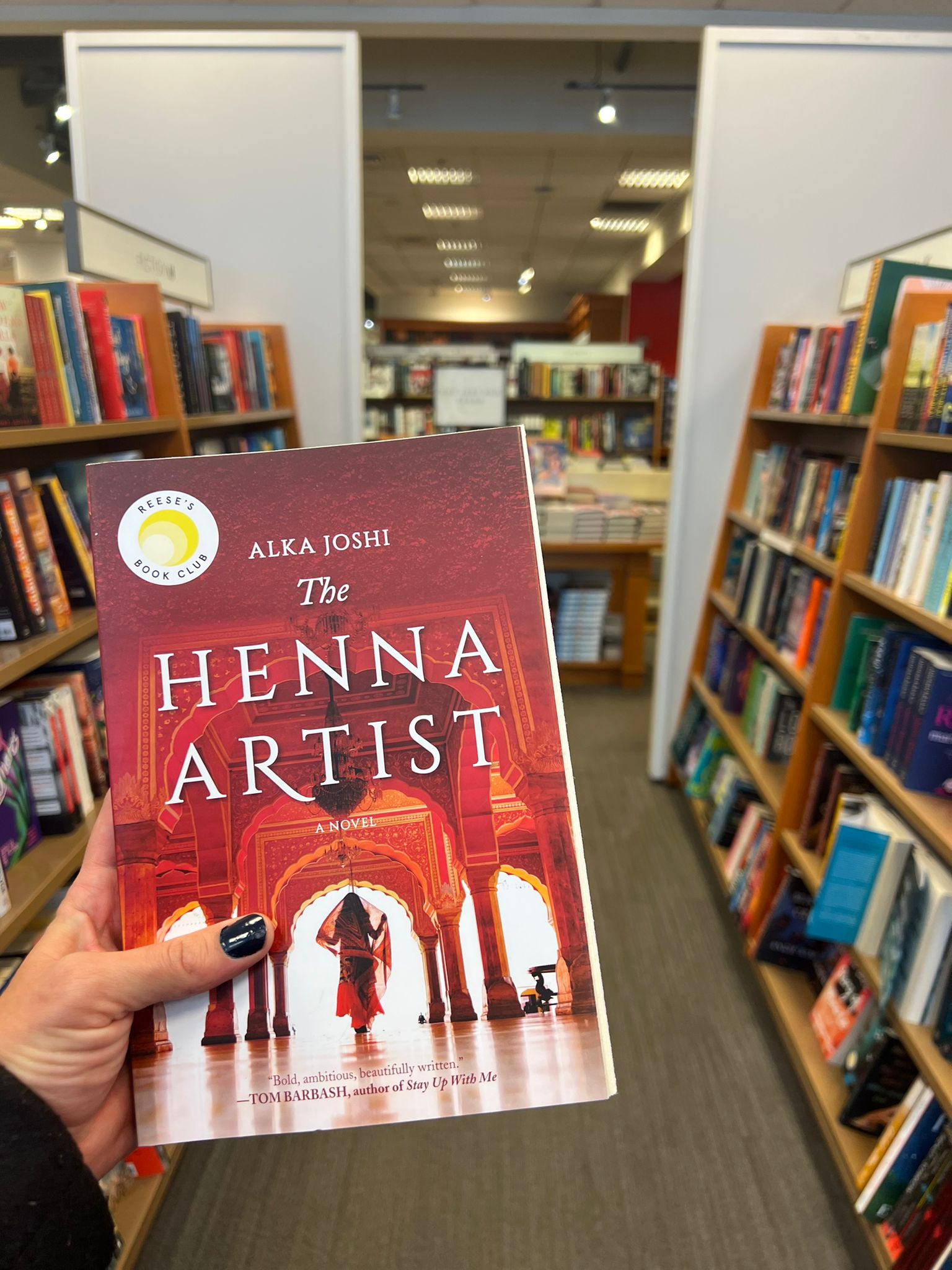
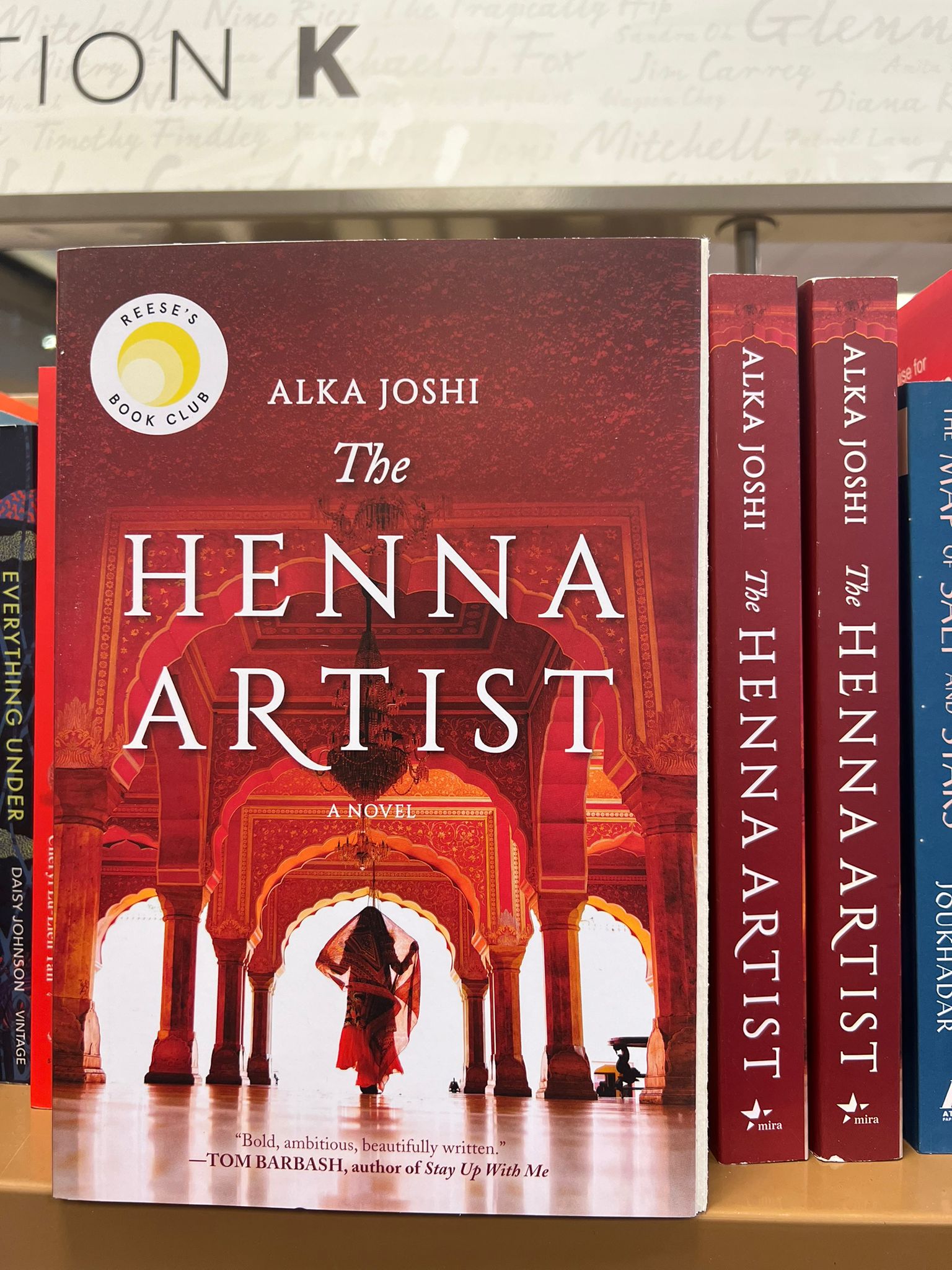
The Henna Artist
- Published March 3, 2020
- Pages: 384
- Setting: Jaipur, India
Jaipur, India, 1955. At just seventeen years old, Lakshmi escapes an abusive husband and heads to the vibrant city of Jaipur, where she becomes the most sought-after henna artist and confidante of upper caste women.
Clients believe that Lakshmi henna has the power to seduce their husbands and even conceive a child. Also known for her natural remedies and sage advice, you must tread carefully to avoid gossip that could ruin your reputation. When her husband discovers her whereabouts and shows up with a young woman, whom he introduces as Lakshmi’s little sister, the veil of discretion she has carefully woven is threatened.
A Woman. A City. A Story Painted in the Language of Secrets.
Before she was a bestselling author, Alka Joshi spent a decade learning how to write this book. Ten years the same number of years Lakshmi spent building her life in Jaipur, brick by careful brick, refusing to let anyone or anything take it from her. It shows on every page.
The Henna Artist opens a door into a world that is at once lush and fascinating, stark and cruel. It is 1955 in northern India less than a decade since independence, and a country still finding its feet between the ancient and the modern, between tradition and the first trembling edges of a different kind of life. Into this world steps Lakshmi Shastri, seventeen years old, fleeing an abusive arranged marriage with nothing but her talent, her intelligence, and a ferocious, quiet determination that will carry her all the way to the drawing rooms of Jaipur’s elite.
She becomes the most highly requested henna artist and confidante to the wealthy women of the upper class a woman who knows everyone’s secrets and guards her own like her life depends on it. Because it does. Known for her original designs and sage advice, Lakshmi must tread carefully to avoid the jealous gossips who could ruin her reputation and her livelihood. She is a healer, a businesswoman, and a survivor but she is not, yet, entirely free.
Then one day, her estranged husband appears at her door. And with him, a thirteen-year-old girl, Radha, a sister Lakshmi never knew existed. Radha’s carefree interest in boys threatens to damage Lakshmi’s reputation and her years-long struggle for independence. Everything Lakshmi has built is suddenly, terrifyingly fragile.
Joshi made four or five research trips to Jaipur with her mother while writing this novel, interviewing extended family, Pink City shopkeepers, Rajput families, and the principal of the school that became the Maharani School in the book. She also drew on her family’s annual holidays in Shimla, using both memory and family photographs as reference. That deep personal investment fills every paragraph the smell of incense and cooking fires, the sound of horse-drawn tongas on cobblestone, the weight of a silk sari and the weight of a woman’s reputation in a society that watches her constantly.
The novel was written for Joshi’s mother, who had an arranged marriage at eighteen and never had the opportunity to choose her own path but who made sure her daughter could. That love lives in the marrow of this story.
The Henna Artist is a New York Times bestseller, a Reese’s Book Club pick, and the first book in the Jaipur Trilogy. It is currently being adapted for television, with Indian actress Freida Pinto attached to the production. It is also simply one of the most immersive, sensory, quietly devastating novels you will read this year a story about what women build when the world gives them nothing, and what it costs to keep it.
Book Summary
Set in northern India in 1955, less than a decade after the country’s independence, The Henna Artist follows two sisters, Radha and Lakshmi. The story moves between a rural village, the city of Jaipur, and the mountain town of Shimla.
The Search for a Sister
The novel opens from the perspective of Radha, a 13-year-old orphan from the village of Ajar. After her parents’ deaths, she is taunted by villagers as the “Bad Luck Girl.” With no one left, she decides to find her older sister, Lakshmi, who ran away from her husband 13 years earlier. Radha enlists her estranged brother-in-law, Hari, to help her in the search.
A New Life in the City
Meanwhile, Lakshmi has built a new life in the royal city of Jaipur. She has become a successful henna artist and a skilled healer, providing herbal remedies and contraceptives to her elite clients. Her carefully constructed life is turned upside down when Hari and Radha arrive, bringing the past she tried to escape to her doorstep. Lakshmi takes in Radha, but the impulsive teenager soon complicates Lakshmi’s life. Radha’s affair with the son of one of Lakshmi’s most important clients, Samir, draws the wrath of Samir’s wife, who starts a vicious gossip campaign to ruin Lakshmi’s business. To make matters worse, Radha becomes pregnant and decides to keep the baby.
A Fresh Start in the Mountains
Seeking a fresh start, the sisters travel to the mountain retreat of Shimla. Here, Radha gives birth to her baby and allows Lakshmi’s childless friend, Kanta, to adopt the child. Lakshmi finds a new purpose for her healing skills, working at a Western hospital in town. In this new mountain paradise, both sisters find a chance to heal, grow, and rebuild their lives, leaving behind the secrets and pain of their past.
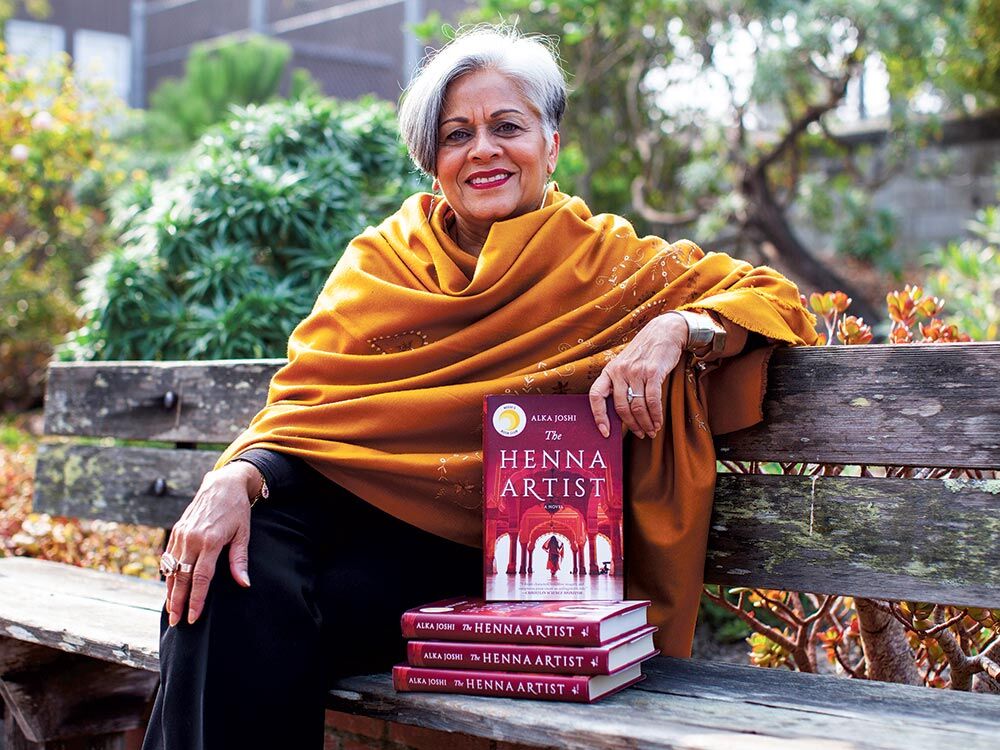
About the author
In her first New York Times bestselling novel, Alka Joshi, reinvents her mother’s life through a strong character who, with deft resolve, defies the rigid social rules of mid-20th-century India.
As an adult and after several decades of living in the United States, Alka Joshi returned to her native India with her mother. Guided by her, Joshi immersed herself in the intoxicating atmosphere of colors, sounds, delicious foods, spices, long-standing traditions, and a cultural history that resonated deeply with her. It brought her the lost feeling of her childhood in Jaipur. The effect of going back there was crucial for the author. From those experiences was born Lakshmi, the main character of The Henna Artist. Joshi imagined the life his mother could have had in India if she had found the means while still a teenager. So Lakshmi would be that independent, albeit fictitious, woman that her mother could not be.
The book was a project that took ten years to complete, after careful research and several trips to India. In her own words, “My mother gave me the gift of options and freedoms that she didn’t have. This novel is my gift to her.”
Alka Joshi was born in India and raised in the United States from the age of nine. She has a B.A. (Business Administration) from Stanford University and worked three decades in advertising and marketing before earning his MFA (Master of Fine Arts) from the California College of the Arts. At age sixty-two, in 2020, Joshi published his first novel, The Henna Artist, which immediately became a New York Times bestseller. The book was also chosen by the Reese Witherspoon Bookclub and was shortlisted for the first Center for Fiction Novel Prize. Miramax T.V is currently developing an episodic series.
About India – Jaipur visited by the Author
“It was at the beginning of my master’s art program, when I started taking my mother back and forth to Jaipur. I spent a lot of time with her and learned about her past. I realized how extraordinary was that a woman raised in such a traditional way , who had an arranged marriage, immediately had children and was unable to make her own decisions, allowed me to have so many options. It was important to her too.
At that time, I thought about my mother and how her life would have been with all these opportunities that I have. And I thought, what if I make up a character like Lakshmi, and if that woman becomes independent?
While I was with my mother in Jaipur, we did all the things that she would have liked to do when she lived there. We went to the bazaar for saris, to the jewelry stores, and it was so much fun to see all these different products being sold there. In India, the bazaars are full of people all the time. We also visit the Jaipur Palace. My mother told me that before leaving for America, she had tea there with the Maharani, who invited all the wives of the families who were about to leave the country. From their descriptions I took the ideas for the images of the palace and of the Maharani for the book.
We traveled to Agra, where my mother spent most of her school years. We visited the classrooms of his old school and I had the opportunity to see how she would have been educated there. Meanwhile, I was trying to absorb all these experiences that were foreign to me.”
Shop Books on Amazon
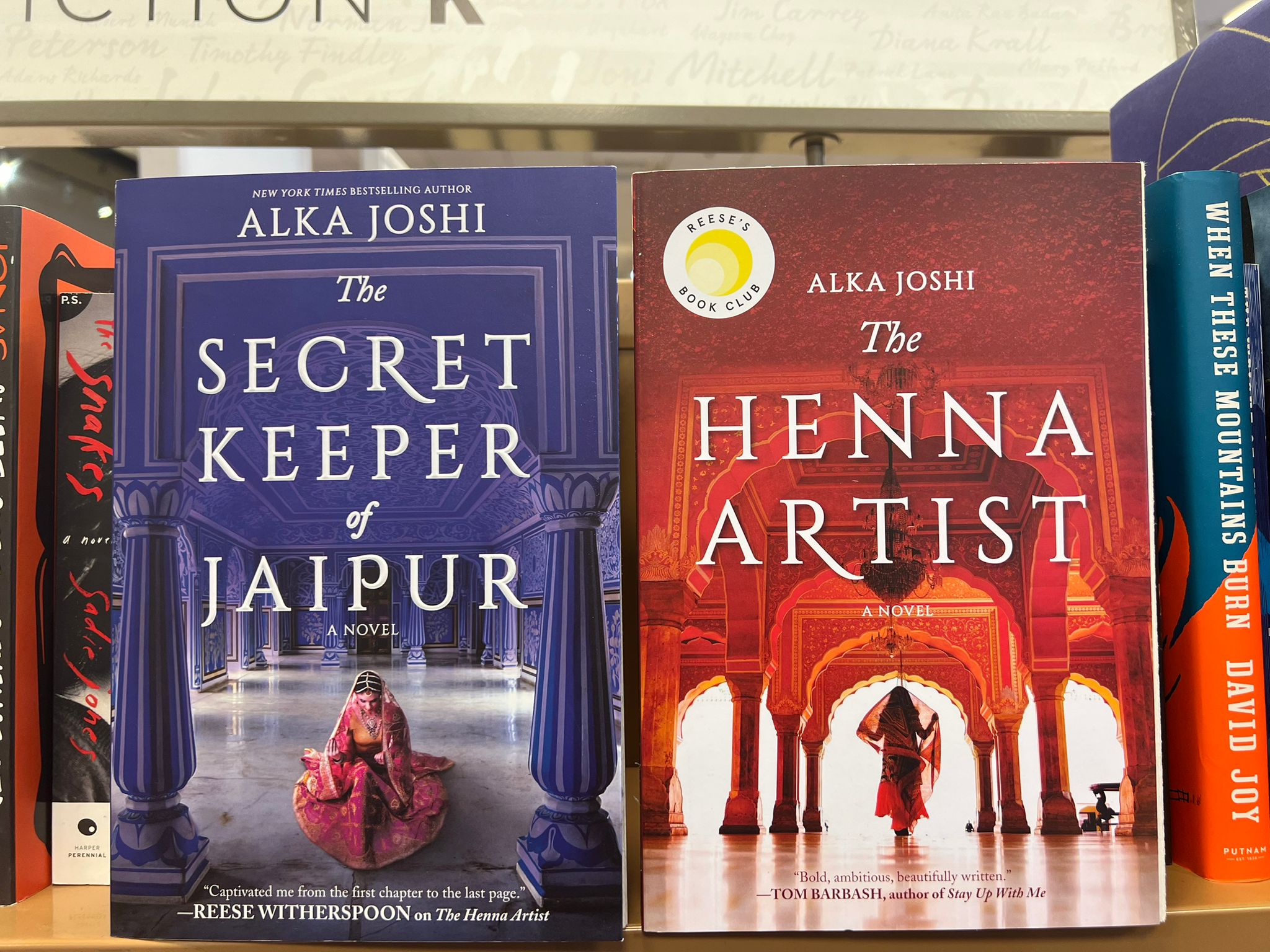
This is the first book af a trilogy
Check out our Spotify List - Inspired in The Henna Artist.
Indian Inspiration
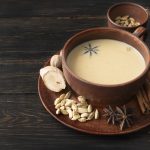
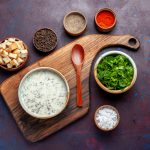
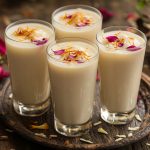
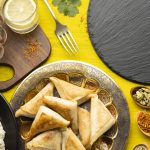
Check out our reading guide for this book, with a lot of recipes, drinks, mood boards and more.
The Henna Artist Reading Guide
Get the book here: The Henna Artist
Character Analysis
Lakshmi Shastri
is a 30-year-old henna artist who has built a new life for herself in the city of Jaipur after escaping an abusive marriage. Despite her success, she is haunted by guilt over abandoning her family and is torn between her desire for independence and her shame at not fulfilling traditional expectations. This inner conflict embodies the struggle of Indian women to break free from centuries of cultural conditioning. Lakshmi’s success in her henna business is a symbol of her independence, but her most powerful skill is her ability to create contraceptive remedies, a direct rebellion against the traditional expectation of large families. She doesn’t truly feel free until she sells her house, a symbol of her material success, and accepts a life of her own choosing.
Radha
is Lakshmi’s 13-year-old sister, whom Lakshmi has never met. Orphaned and ostracized by her village, Radha is desperate for a family and a home. Because of her youth and naivete, she is easily seduced, falls pregnant, and impulsively decides to keep her baby. Her desire to assert control over her own life and body, much like her sister, is an act of defiance, but she is too young to understand the consequences of her choices. The novel suggests that while her self-assertion is admirable, she must learn to take wise counsel until she is mature enough to chart her own path.
Hari Shastri
is Lakshmi’s abusive ex-husband. He initially appears as a penniless man who Lakshmi assumes has come to drag her back to their village. However, Hari undergoes a significant transformation. He learns about the dangers of too many pregnancies from his mother and begins to use his herbalist skills to help the women of the pleasure district. His change from a domineering man to a force for good challenges Lakshmi’s belief that people are incapable of change.
Jay Kumar
Doctor Kumar is a Western-educated friend of Samir’s who represents a bridge between old and new India. He shows respect for Lakshmi’s herbal skills and doesn’t assume his Western medicine is superior. He also treats her as an equal, which is a rare and refreshing dynamic in the novel. The novel suggests that they may become romantically involved, offering hope for a future of equality between the sexes in Indian society.
The Singh Family
The wealthy Singh family, connected to the Jaipur royal family, embodies the patriarchal values of old India. Each member is complicit in a culture that punishes women while excusing men.
-
Samir Singh: A man who uses his power to exploit women, providing them with contraceptives to ensure his own sexual pleasure is uninterrupted. When his son gets Radha pregnant, he blames the women rather than taking responsibility himself.
-
Parvati Singh: While initially supportive of Lakshmi, she turns on her when she discovers her husband’s and son’s misdeeds, seeking revenge against the women rather than the men in her own family.
-
Ravi Singh: The handsome, privileged son who seduces Radha despite his engagement to another woman. Like his father, he holds a double standard, believing the women he wrongs will be punished by society while he remains free of consequences.
Book Trail
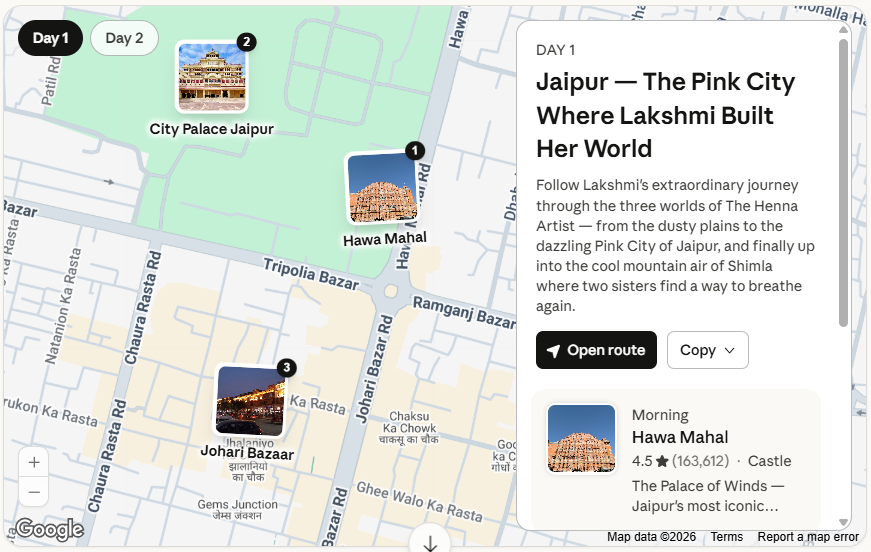
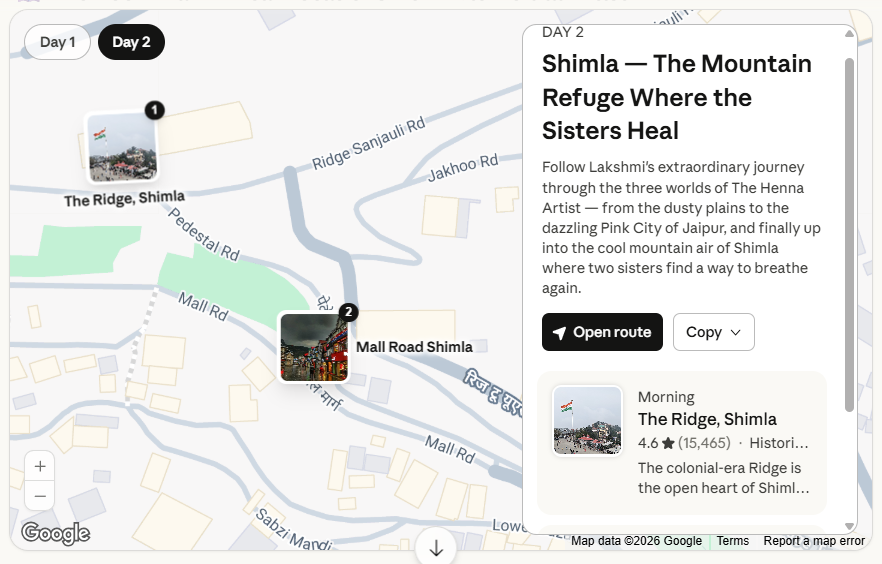
Here’s your location guide for each stop on the trail:
Hawa Mahal — Jaipur — The Palace of Winds is the soul of the Pink City and the backdrop for Lakshmi’s world. Its hundreds of latticed windows were built so royal women could observe the streets without being seen a detail that reads almost like a metaphor for the entire novel. The bustling bazaars surrounding it are alive with exactly the sensory world Joshi captures so precisely horse-drawn tongas, pungent cooking fires, incense, and colorful saris.
City Palace — Jaipur — The grand royal palace whose inhabitants form the pinnacle of the society Lakshmi must navigate with such extraordinary care. Joshi interviewed Rajput families and visited this world firsthand during her research trips to Jaipur with her mother and that intimacy with the real place shows in every scene set among the elite. Still partially inhabited by the royal family today, it is one of India’s most breathtaking heritage sites.
Johari Bazaar — Jaipur — Jaipur’s legendary jewellery and textile market, where Lakshmi moves from household to household, navigating the rhythms of old city life alongside Malik, the street-smart boy who becomes her protégé and guide. The market’s narrow lanes and riot of color are the sensory heartbeat of the novel’s Jaipur chapters.
The Ridge — Shimla — The open colonial promenade overlooking the Himalayan foothills is where the novel’s tone shifts from the high-pressure, gossip-riven heat of Jaipur to something cooler, quieter, and full of the possibility of beginning again. Joshi’s family vacationed in Shimla, and she used both memory and family photographs when writing these chapters which is why they feel so tender and specific.
Mall Road — Shimla — The main promenade of what was once the summer capital of the British Raj, where old India and new India stand side by side, still figuring out their relationship. It is here that Lakshmi finds her footing in a Western hospital, applying her ancient herbal knowledge in a modern context the perfect physical embodiment of the novel’s central tension between tradition and change.