
How to read Mexican Gothic
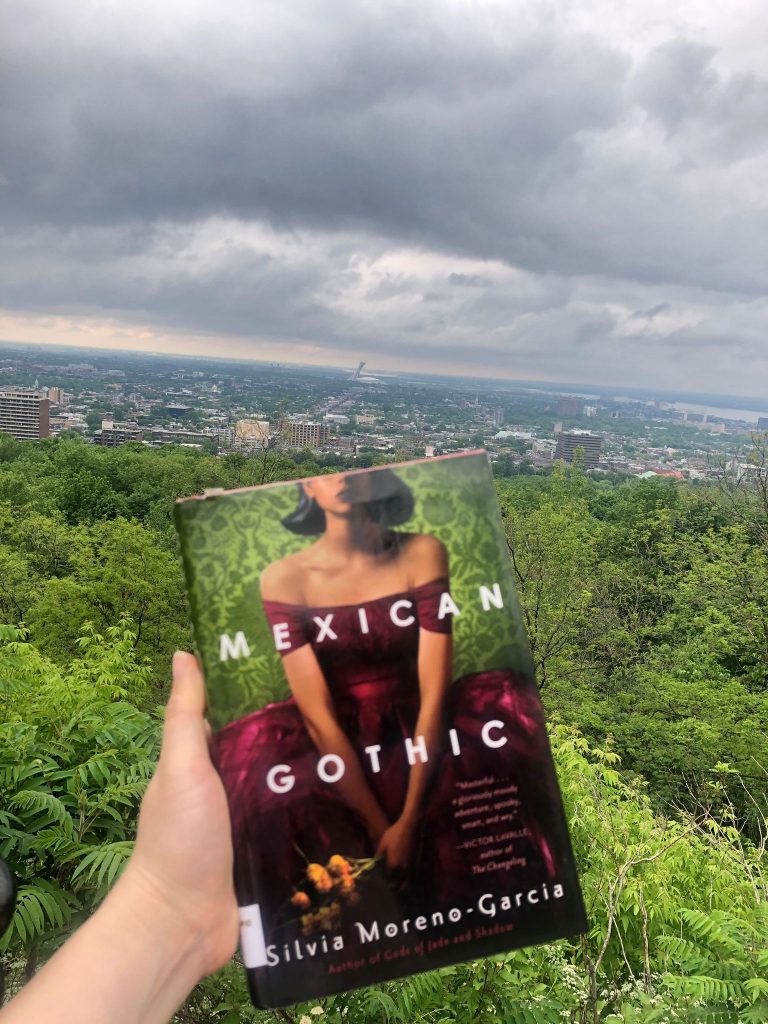
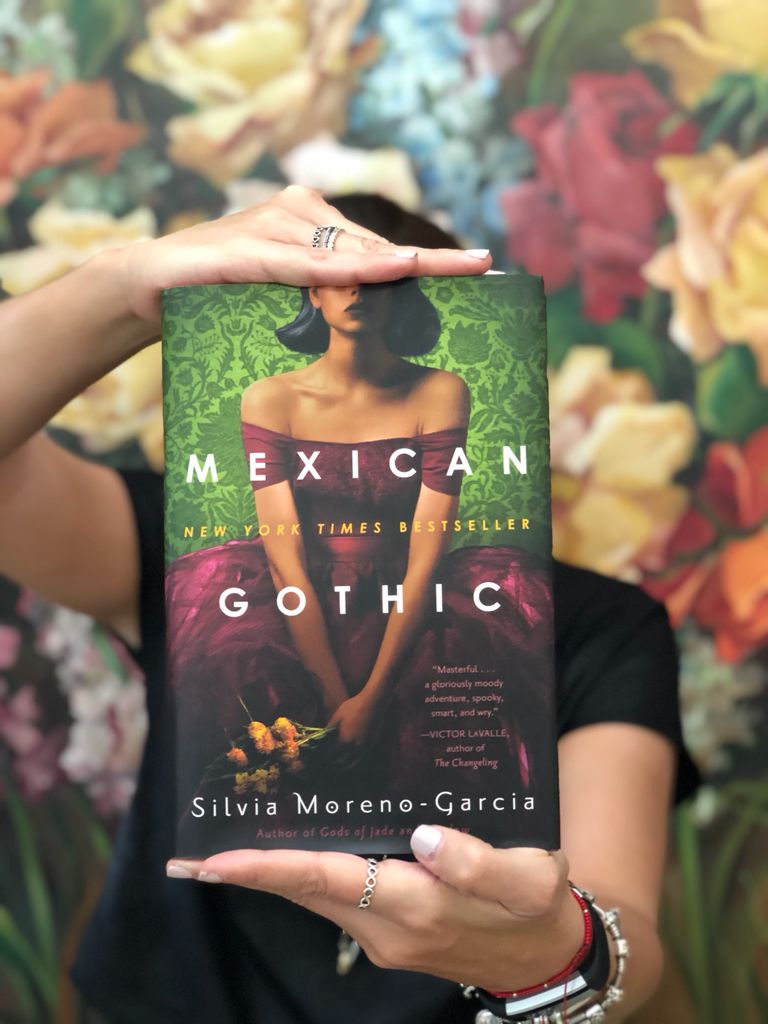
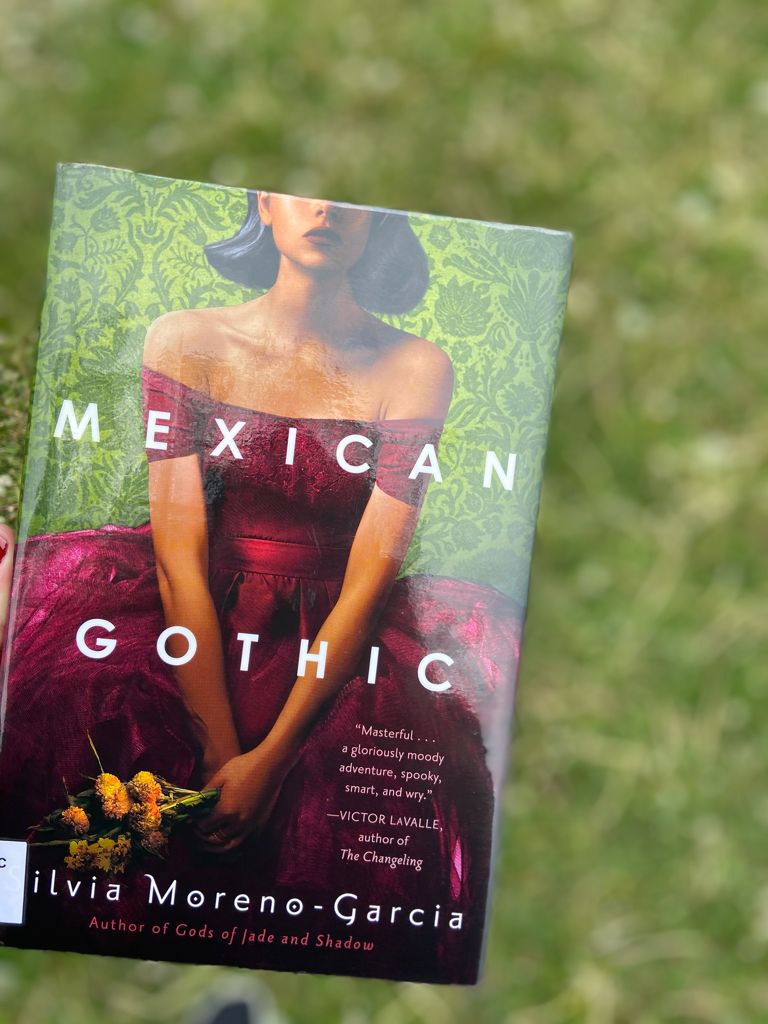
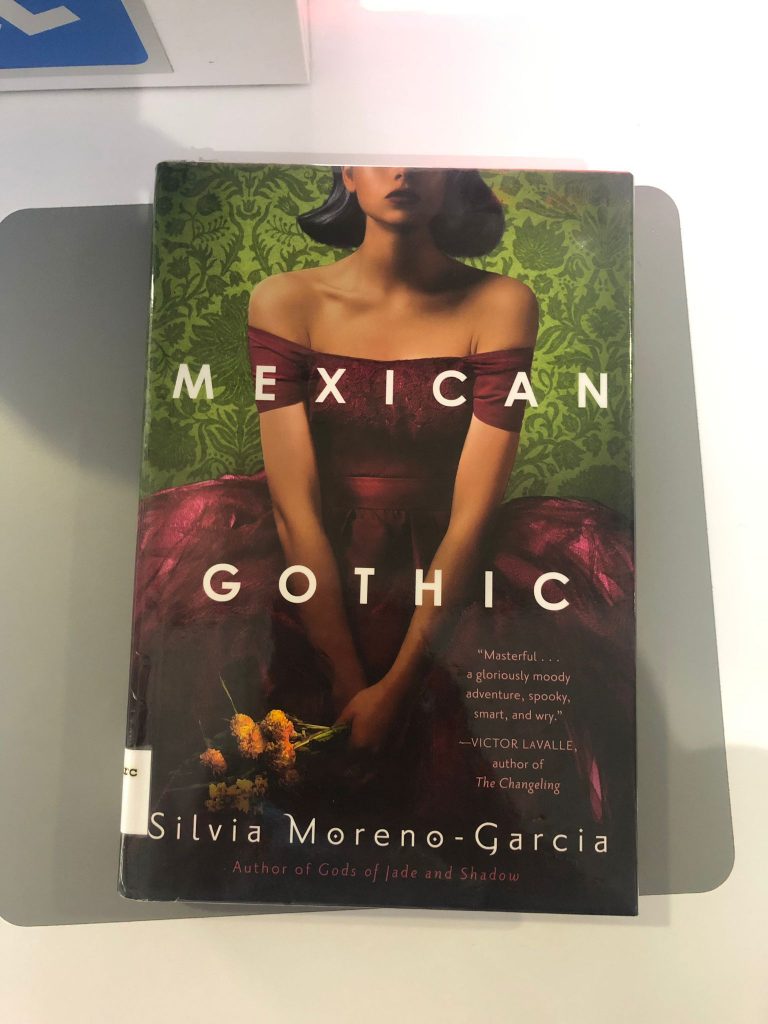
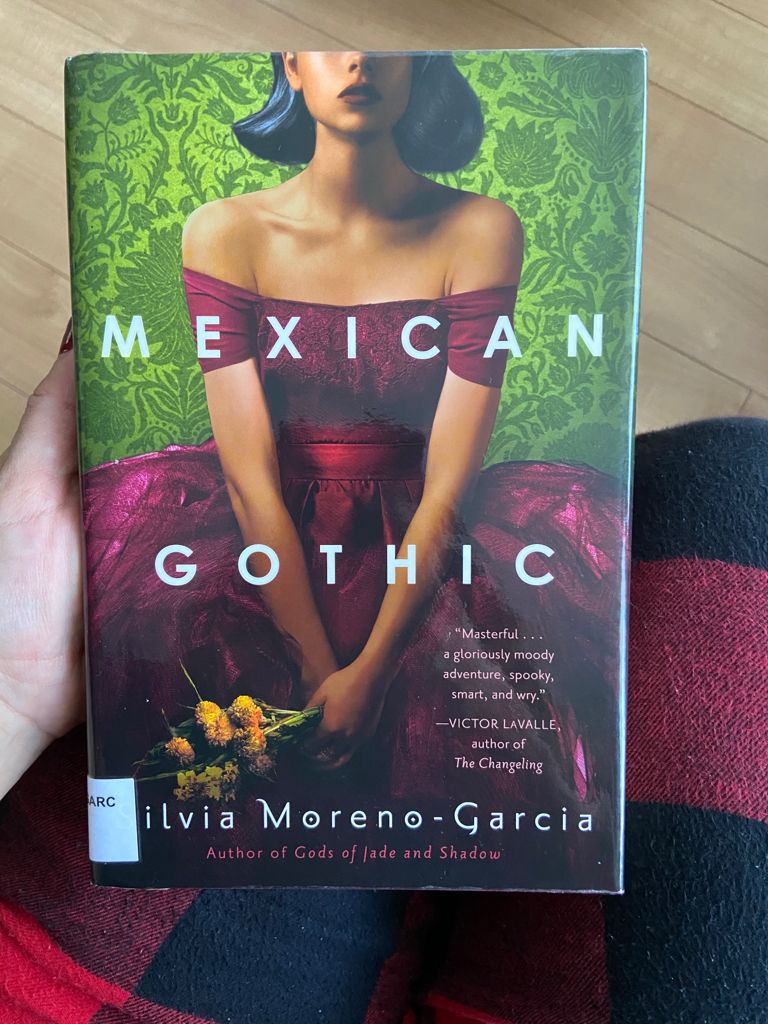
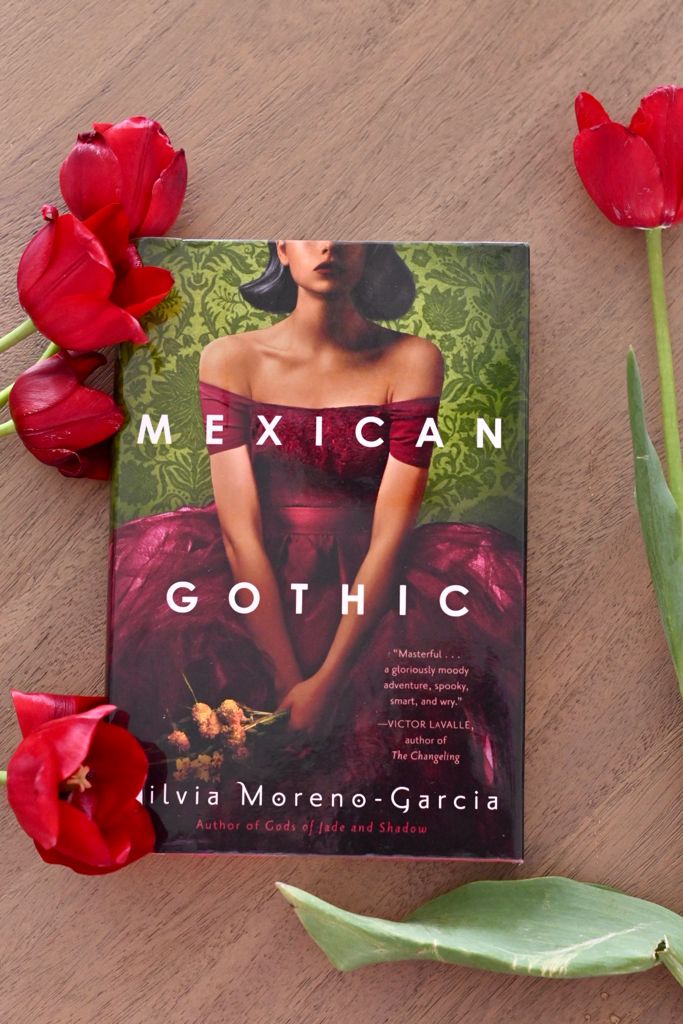
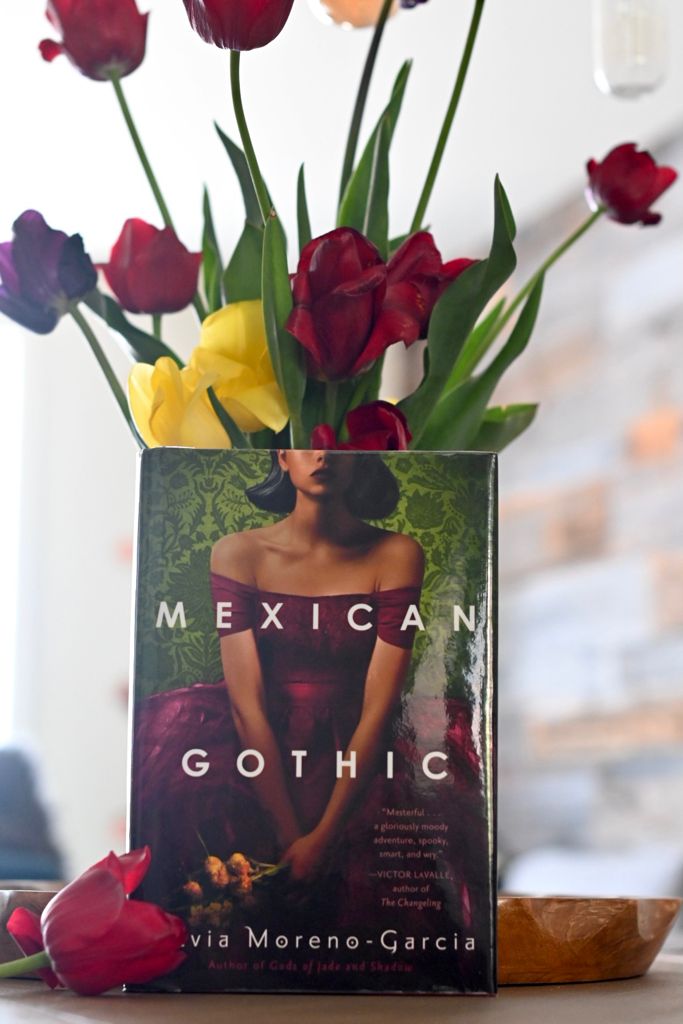
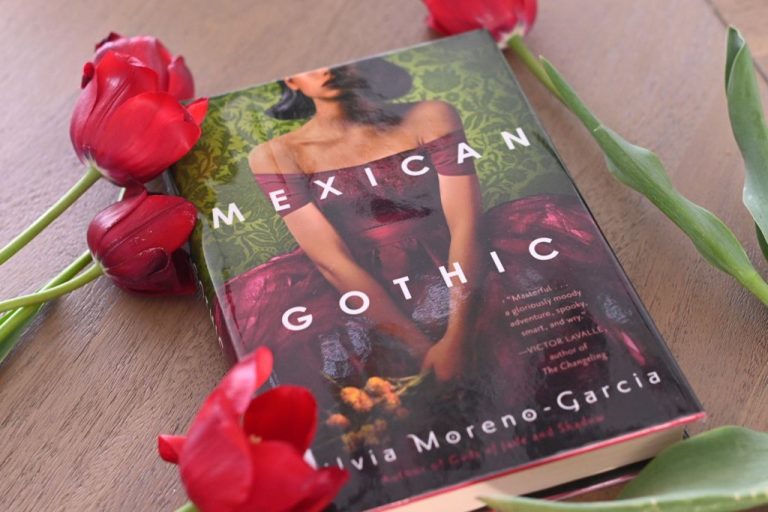
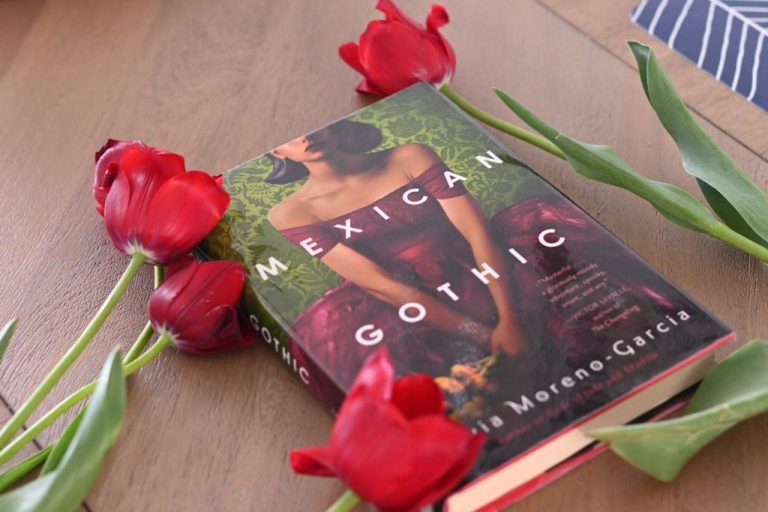
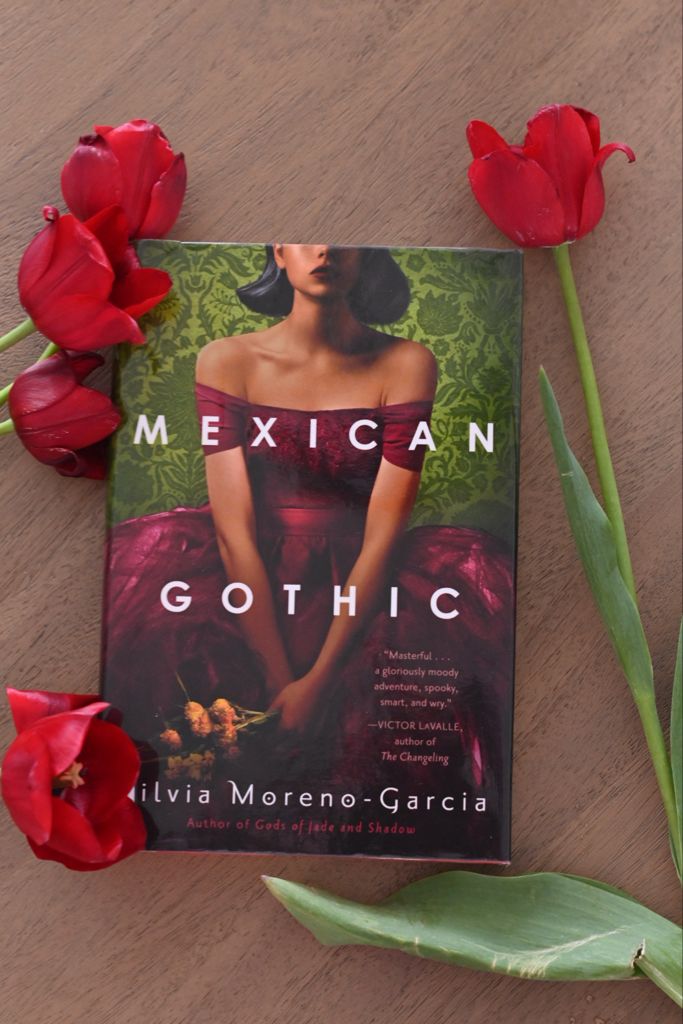
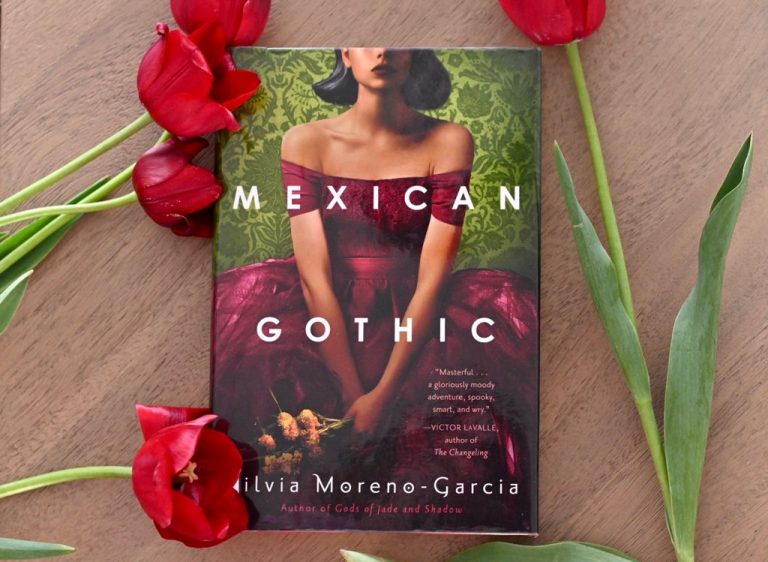
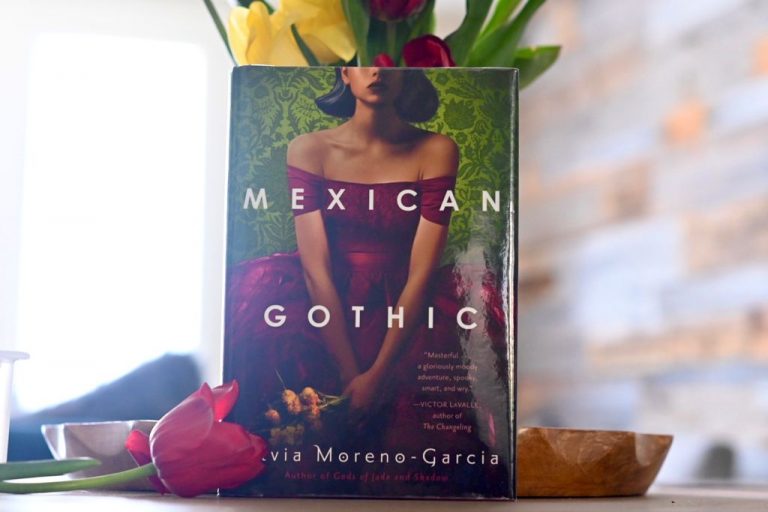
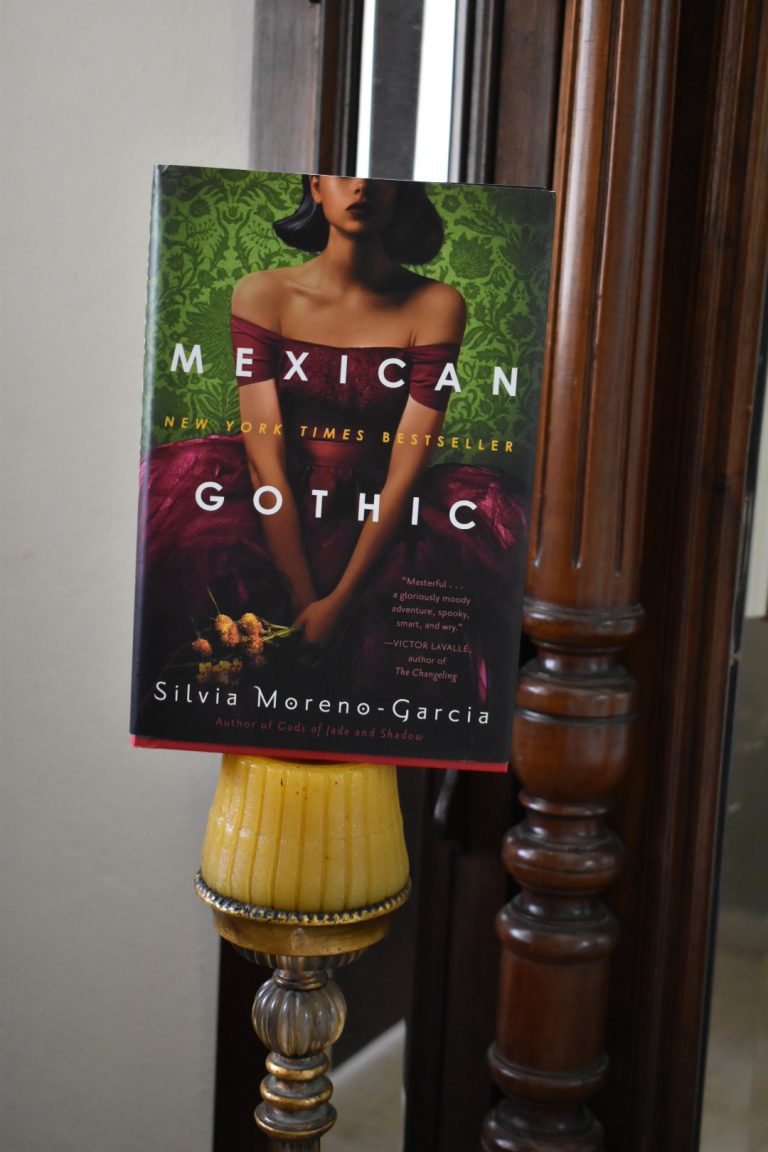
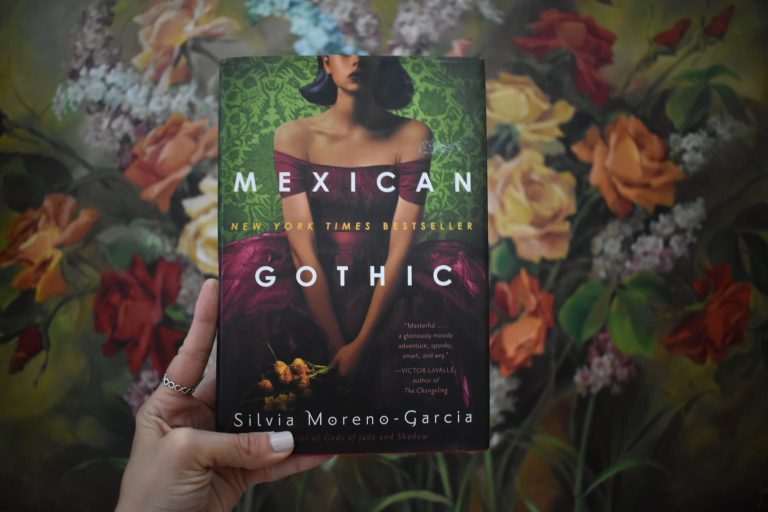
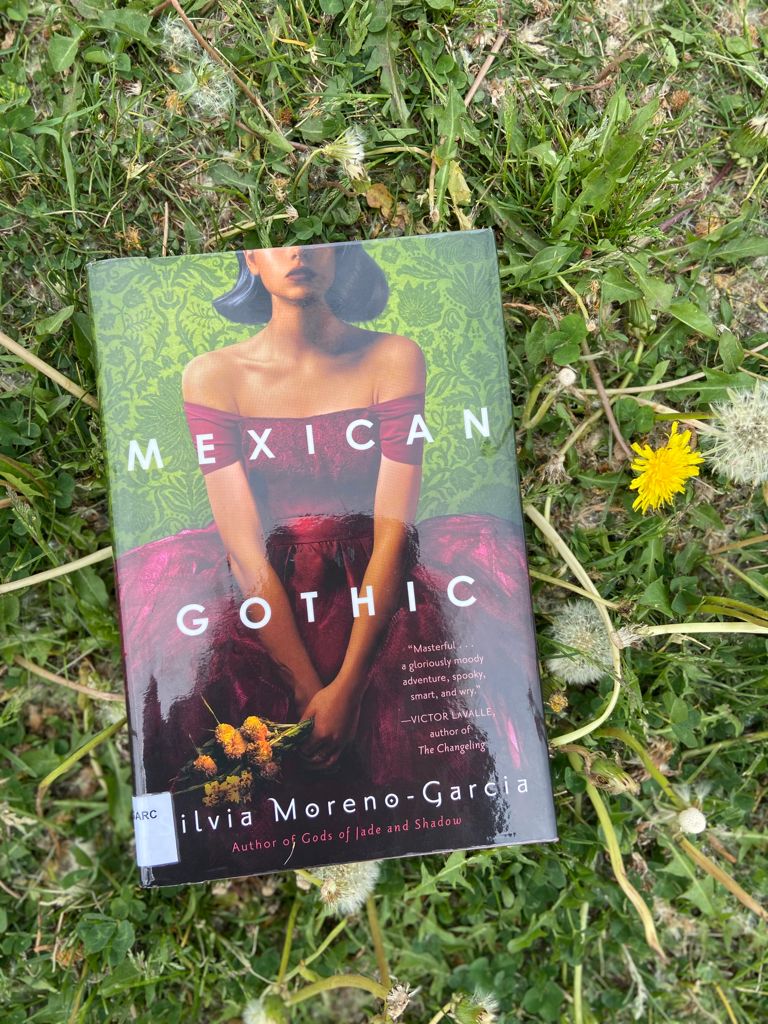
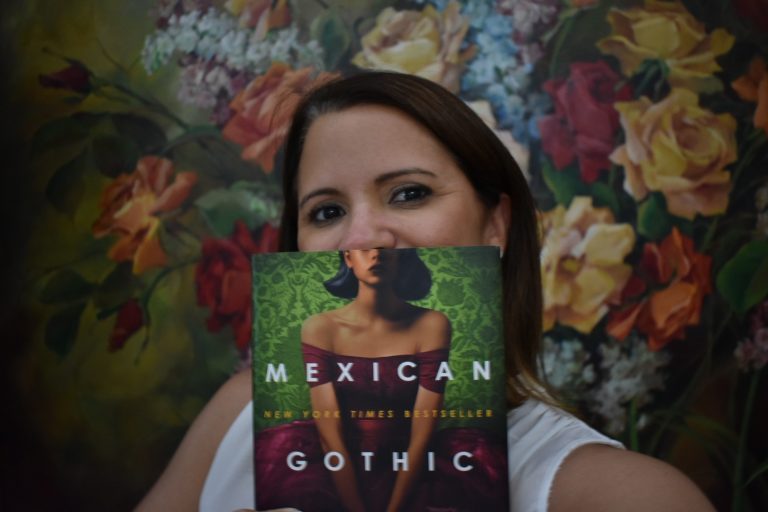
Mexican Gothic

Mexican Gothic
by Silvia Moreno-Garcia
A Haunted House That Has No Right to Exist in Mexico. Except It Does.
I need to start by saying something that the book itself makes a point of saying: Mexico is not one thing. It is not all sunshine and mariachi and Day of the Dead marigolds. It is also mountain towns that sit above the clouds, cold and misty and draped in fog so thick you lose the edges of things. It is the ghost of British colonial rule, still visible in the slanted roofs and English graveyards of places that were once mining settlements. It is a country full of contradictions, and Mexican Gothic lives entirely inside that complexity.
Silvia Moreno-Garcia wanted a character that doesn’t fit the stereotypes readers expect and Noemí Taboada delivers. She is a bold, cigarette-smoking, party-attending socialite in 1950s Mexico City who wants to study anthropology and has absolutely no patience for anyone who underestimates her. When her cousin’s letter arrives, frantic and frightened, Noemí doesn’t wait to be asked twice. She packs her best dresses and her lighter and goes to find out what is happening at High Place.
What she finds is a house that breathes. A family frozen in colonial amber, clinging to an ideology of racial purity with a desperation that has curdled into something supernatural. An old man with ancient, terrible ambitions. And a golden mushroom gloom seeping through the walls, carrying generations of memory and rot.
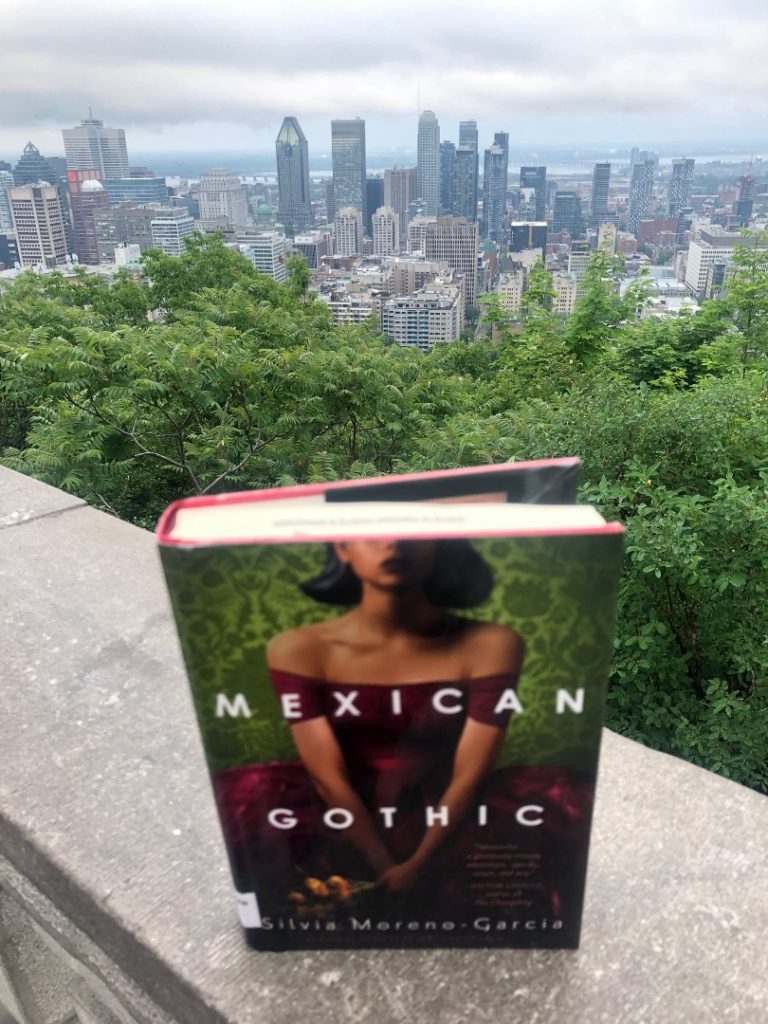
The novel is based on the real Mexican mining ghost towns, such as Real del Monte in the Hidalgo mountains, leftover from British colonial rule. The town, complete with an English cemetery, is high in the mountains, and tends to be misty and cold. The Victorian-era headstones all face England, the final resting place for miners who lost their lives extracting silver to enrich other men. Moreno-Garcia drops that real colonial history directly into the horror, and the result is a haunted house story that is also a reckoning with empire, eugenics, and the slow violence of extraction.
Moreno-Garcia’s prose is an intoxicating potion brewed from fairy tales and Mexican folklore, with a hint of Rebecca, a dash of Wuthering Heights, and a whisper of Shirley Jackson. The New York Times bestseller is a lush, haunted house story underpinned with themes of feminism and class commentary, and the horror is never separate from the politics. The Doyles are not frightening despite being a symbol of white colonial supremacy. They are frightening because of it.
A Hulu limited series adaptation has been announced, with Moreno-Garcia serving as executive producer. This book deserves the screen. But read it first, alone, at night, with the lights low and something warm in your hands.
Moderated by Margie Filpo
Plot Summary
At the request of her father, Noemí Taboada travels to High Place, the remote country estate of the Doyle family. Her mission is to help her cousin, Catalina, who has written a frantic letter claiming she needs to escape from her in-laws and their haunted house.
A Strange Family and Dark Secrets
Upon her arrival, Noemí is met with a cold reception. Florence Doyle, the patriarch’s niece, is distant, and the aging patriarch, Howard Doyle, makes racist comments and creepy advances. Noemí clashes with Catalina’s husband, Virgil, but finds a surprising ally in his gentle cousin, Francis. Over the next week, Noemí learns the tragic history of the Doyles, a family ruined by floods, a mysterious illness, and the Mexican Revolution. She is also warned by a local healer, Marta Duval, that the Doyles and their home are spiritually corrupt and haunted by a supernatural evil. Noemí’s reality begins to blur as she experiences bizarre dreams and hallucinations, including sleepwalking.
A Horrifying Revelation
Noemí’s attempts to help Catalina, who has become a shell of her former self, fail, and she decides to leave High Place to get her father’s help. However, she is trapped. On her last night, the family reveals the horrifying truth: Howard is an ancient creature who has existed for 300 years by transmigrating his consciousness into the bodies of his male descendants. The Doyles’ practice of incestuous marriage is a means to maintain their blood purity and ensure the transmigration continues. The gloom, a powerful entity created from a golden mushroom, allows Howard to control anyone who enters the house and holds all the family’s memories.
The Final Confrontation and Escape
The Doyles need Noemí and Catalina to reinvigorate their line, and Howard attempts to force Noemí to marry Francis. However, a power struggle ensues when Virgil, eager to take over the family, helps Noemí, Catalina, and Francis to kill Howard before his transmigration is complete. Noemí destroys the gloom and burns High Place to the ground. She rescues Catalina and Francis, and the novel ends with her decision to pursue a future with Francis, despite the dark consequences of their actions.
Character Analysis
Noemí Taboada
is the protagonist of the novel. She begins as a socialite who relies on her charm and beauty to get by, but she is tested at High Place, where she faces life-threatening challenges. The house and the Doyles seek to control her, stripping her of her identity and autonomy. A turning point for her comes when she is forced to use violence to survive. Her journey from seeking her father’s approval to becoming a rescuer who shapes her own destiny highlights the novel’s central feminist themes.
Key Family Members
-
Francis Doyle: The pale, ineffectual son of Florence. He is a prisoner of his family’s legacy until Noemí’s arrival pushes him to rebel. He is a reversal of the traditional Byronic hero in Gothic literature; Noemí must rescue him and guide him into the wider world, a feminist subversion of the genre.
-
Howard Doyle: The patriarch of the Doyle family, a 300-year-old being trapped in an old body. He is a static character who embodies the worst excesses of colonialism and imperialism, using racism and violence to maintain his power. His destruction by Noemí symbolizes the end of his oppressive legacy.
-
Virgil Doyle: The handsome heir who pursues Noemí. His potent sexuality and apparent sense of duty are revealed to be an effect of the gloom and a cover for his self-interest and greed. He is a predatory figure who subverts the traditional role of a Gothic love interest.
-
Catalina: Noemí’s cousin, who is initially a helpless victim of the Doyles. She is a slightly developed character who breaks free from her oppression to become an active, vengeful figure who helps Noemí in their escape.
Supporting Characters
-
Marta Duval: A healer who practices Mexican folk medicine. She serves as a key figure in the novel, warning Noemí about the spiritual corruption of the Doyles. Her wisdom, which combines traditional healing with a deep understanding of her community’s history, influences Noemí to embrace other ways of knowing beyond science and logic.
-
Ruth Doyle: A spectral female figure who resisted her family’s incestuous and murderous ways. Her violent act of killing her family members shows that even in the most oppressive situations, there is a degree of agency. Her ghost helps Noemí in her escape.
-
Florence Doyle: Howard’s grim, disapproving niece and Francis’s mother. She is a static character who fully embraces the family’s racist and sexist beliefs, serving as a foil to the women who resist the family’s oppressive system.



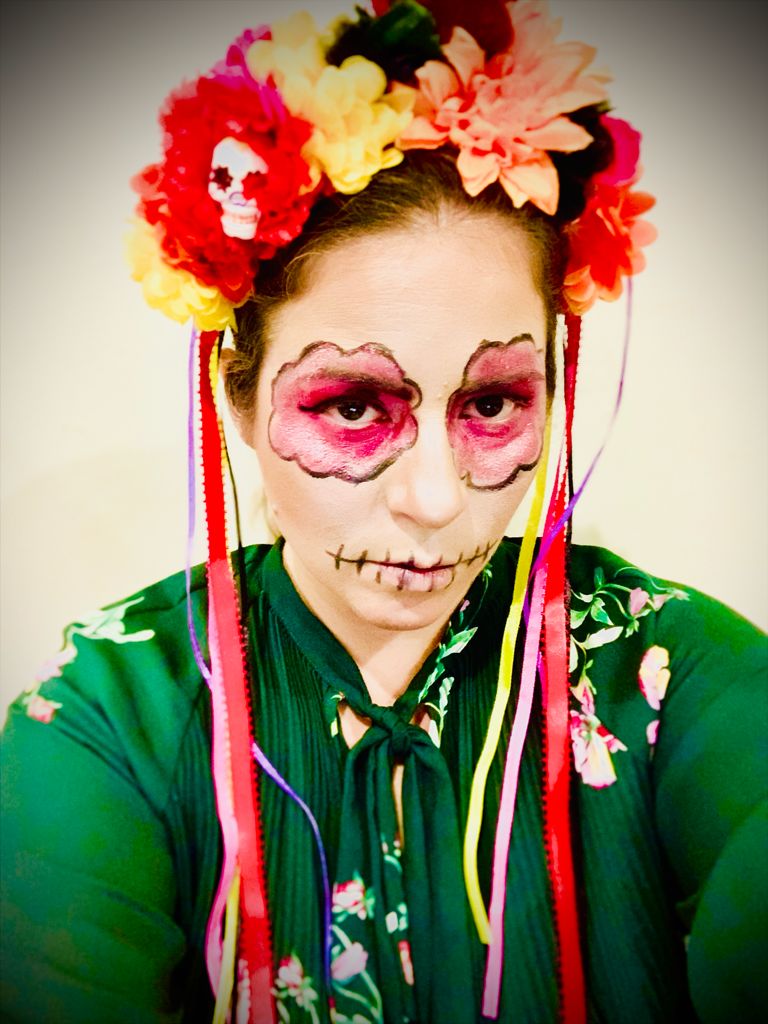



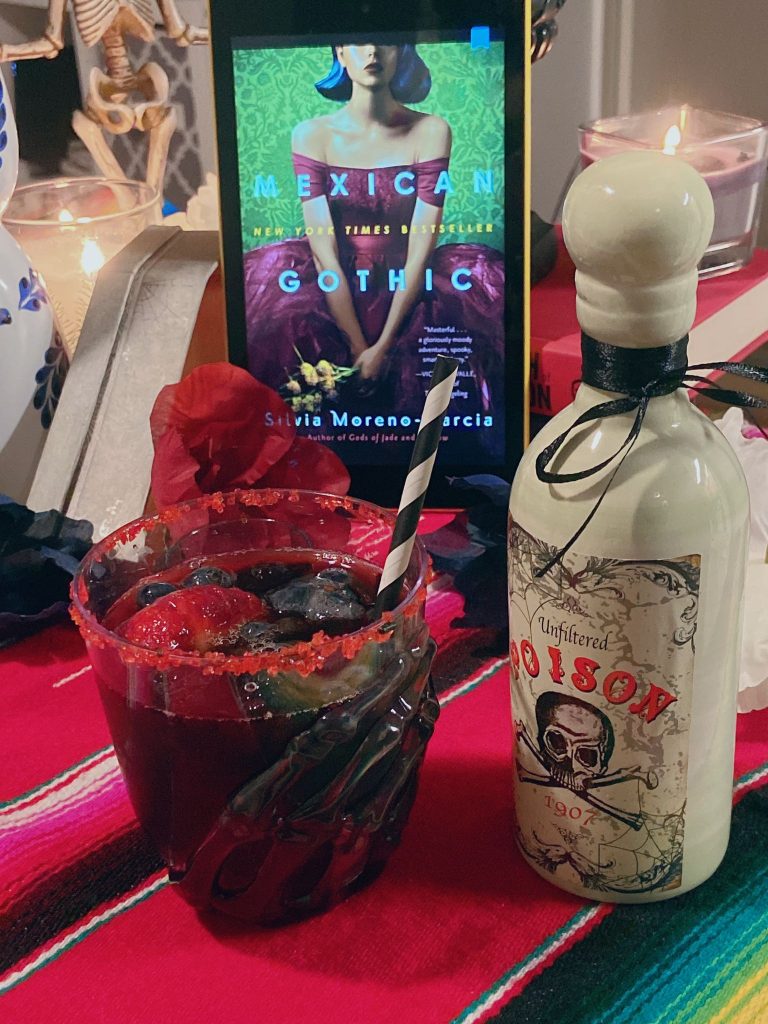
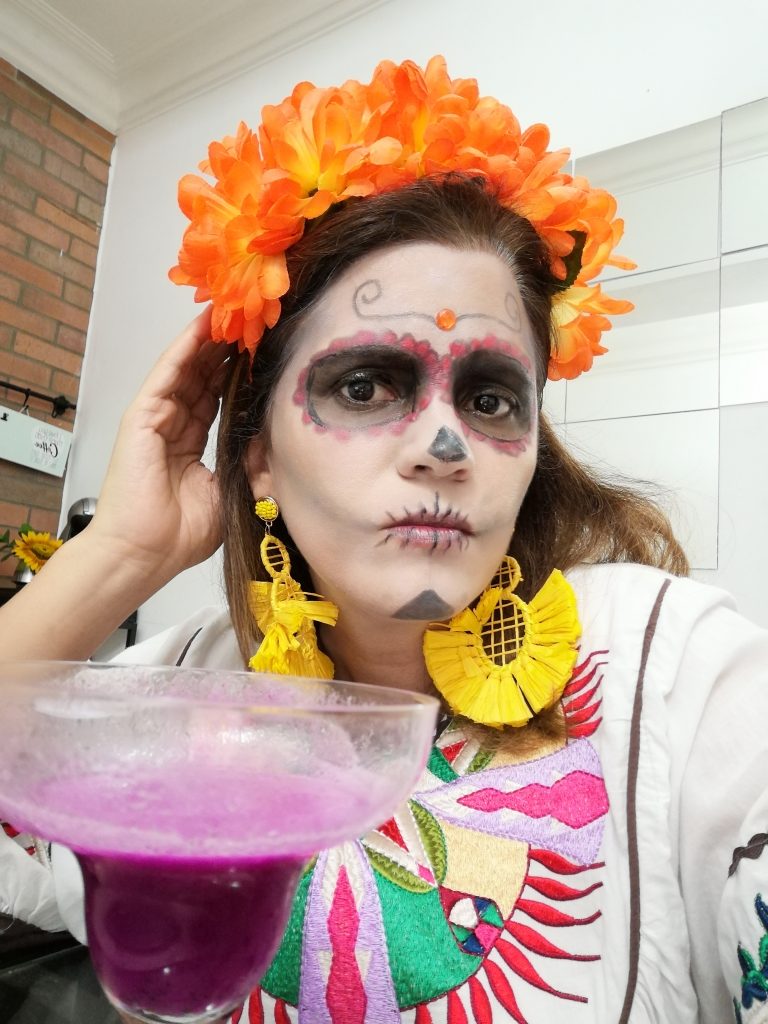
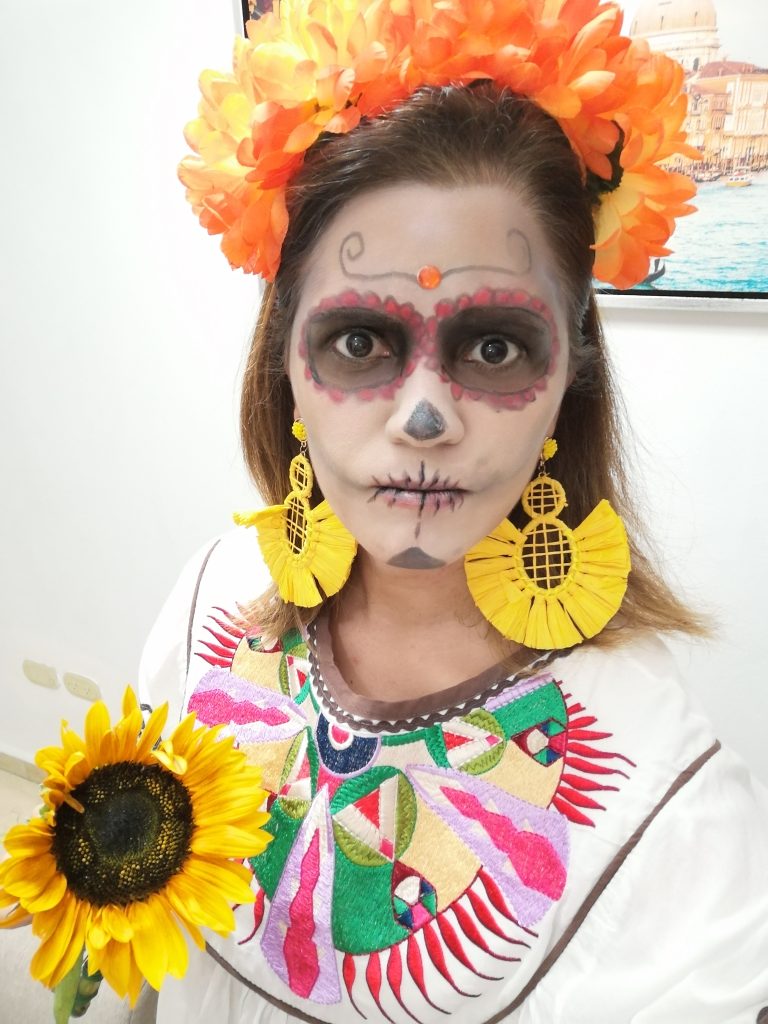

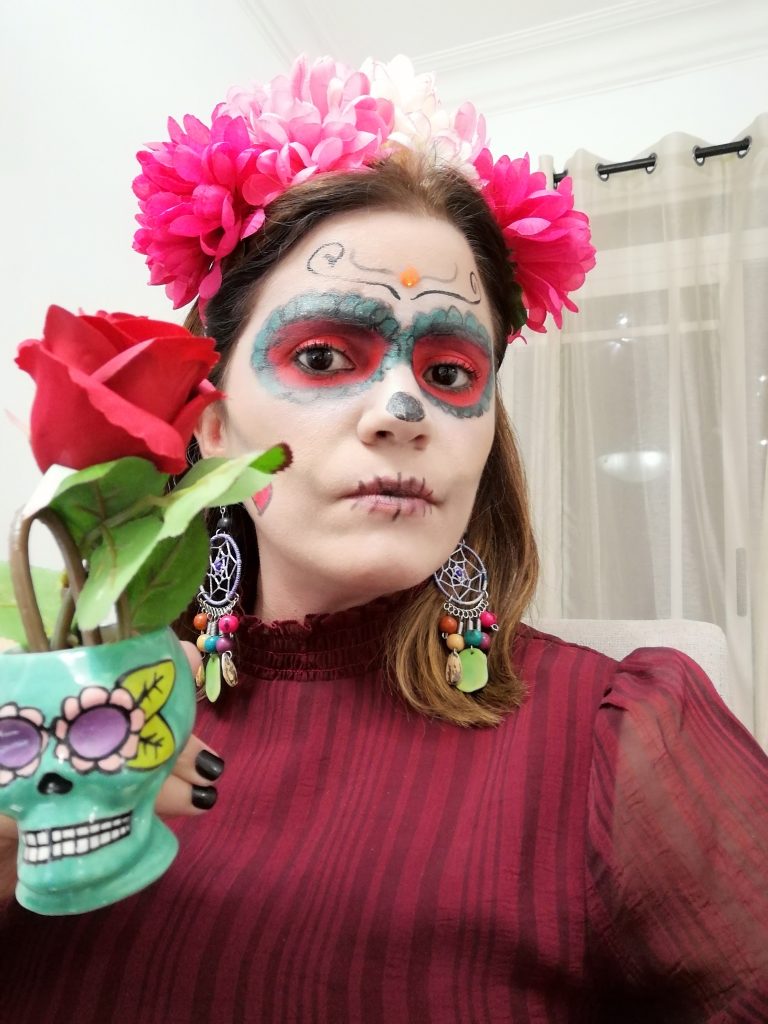
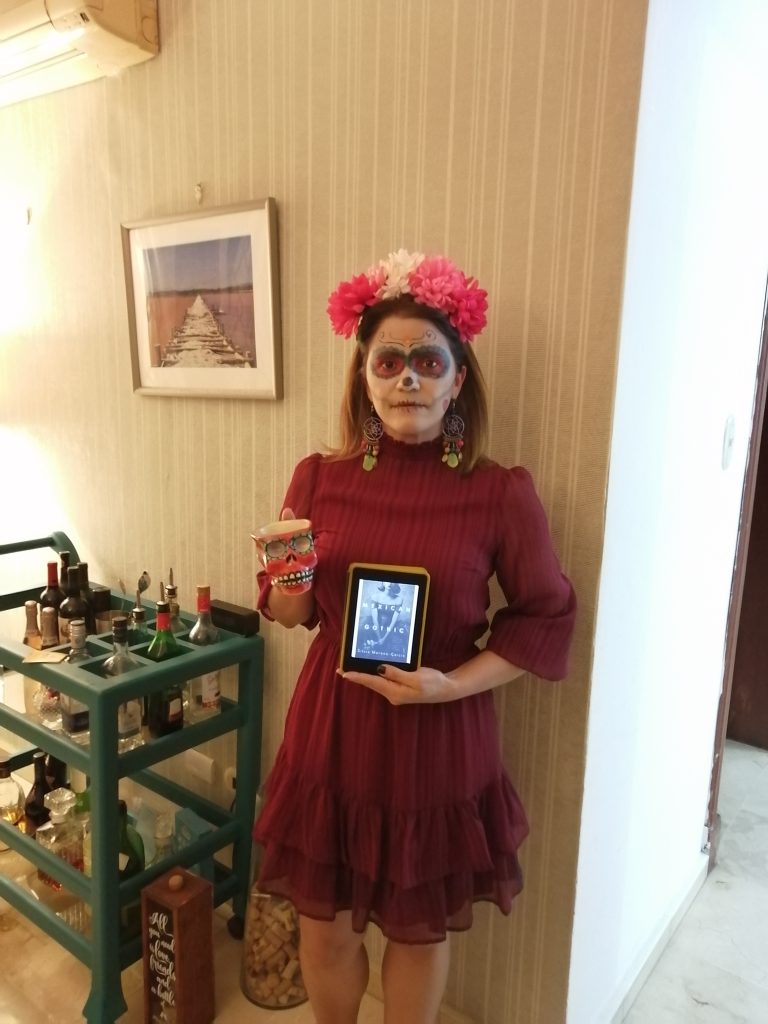
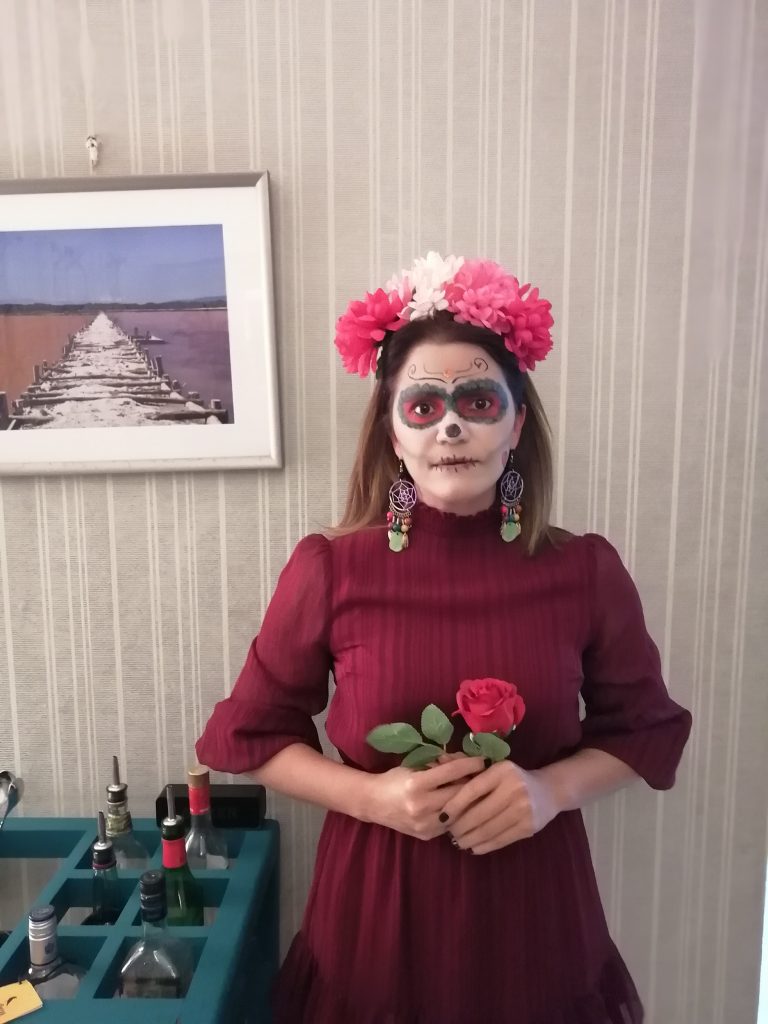
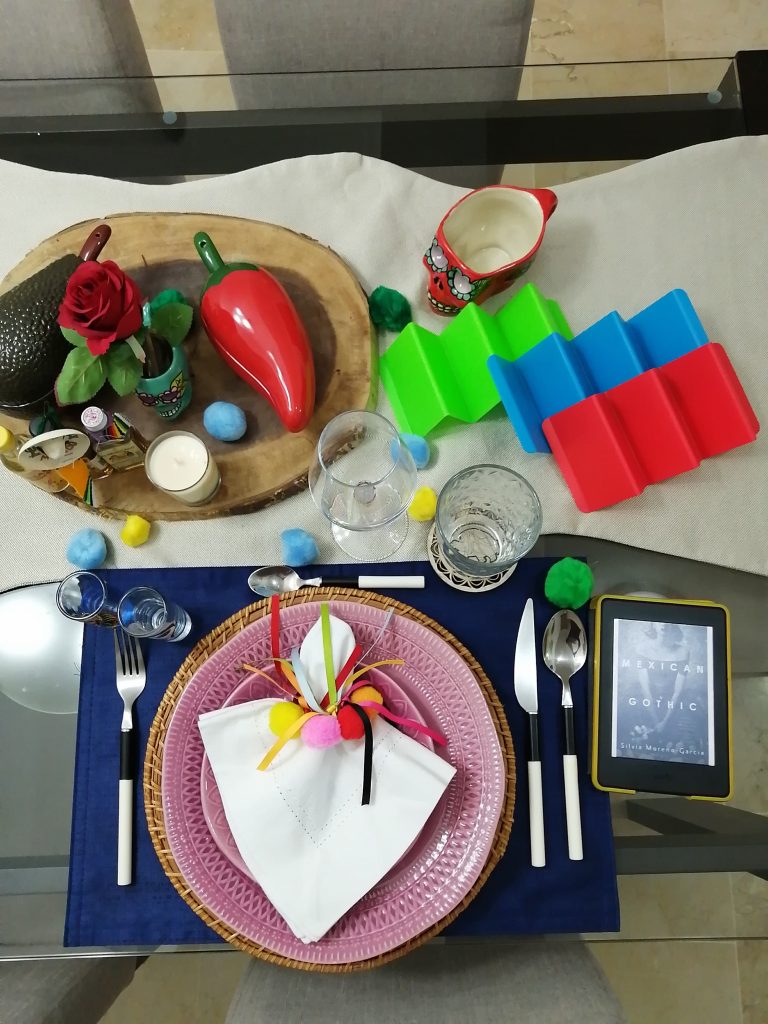
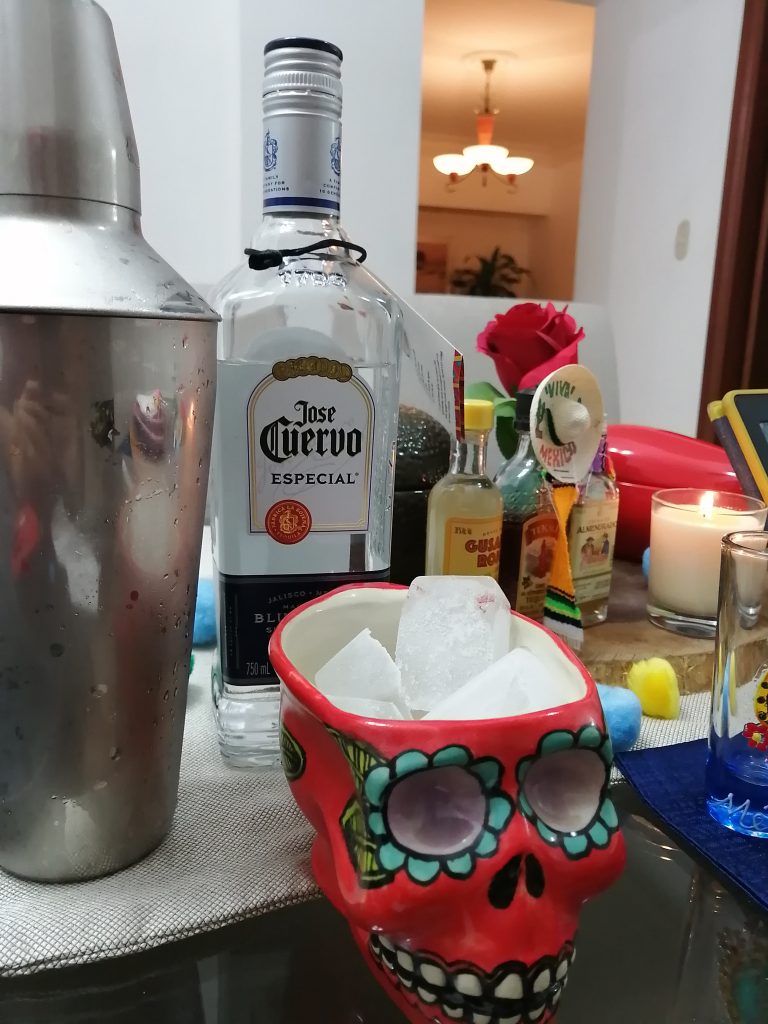
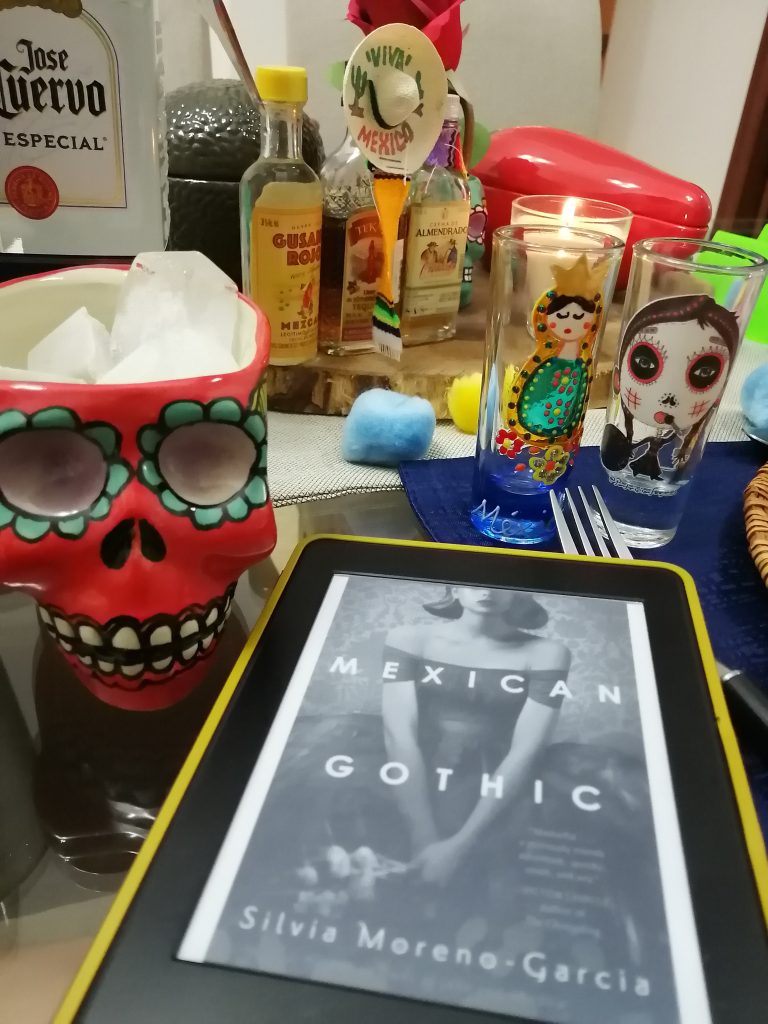
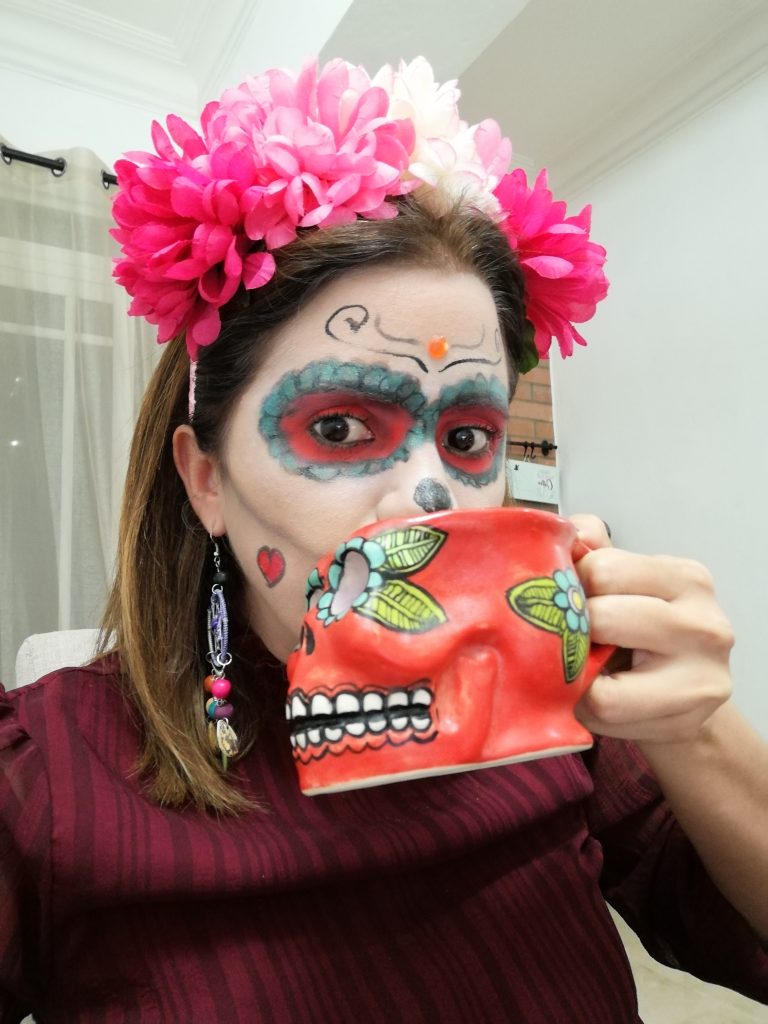
🥃 Drink Pairings for Mexican Gothic
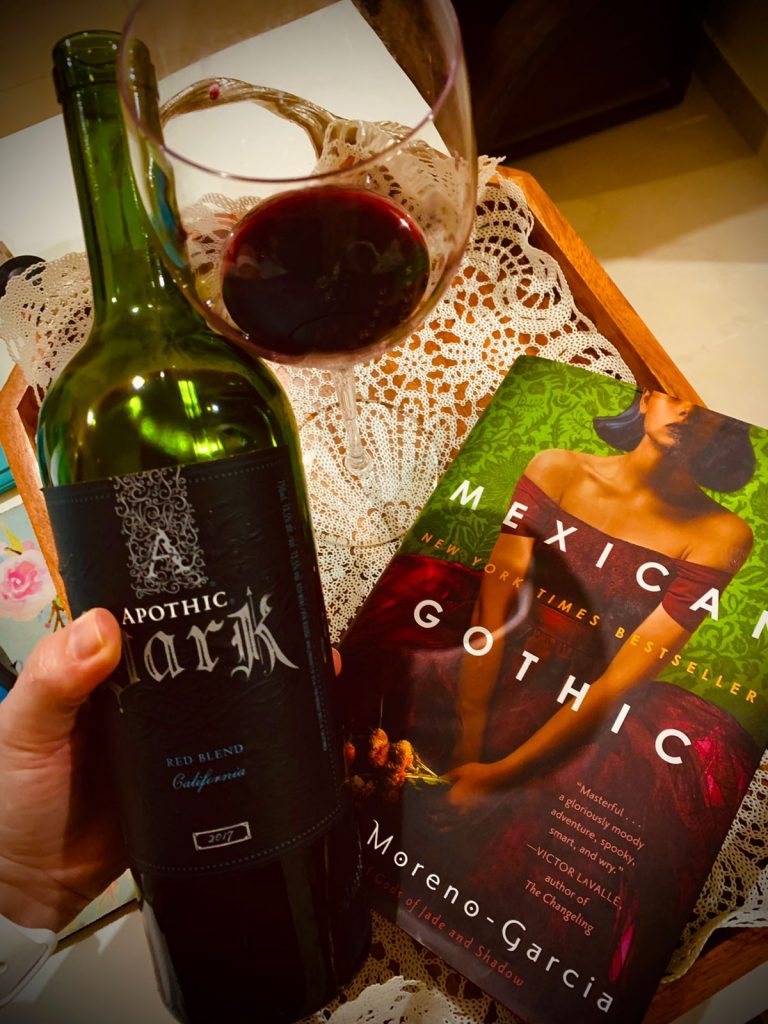
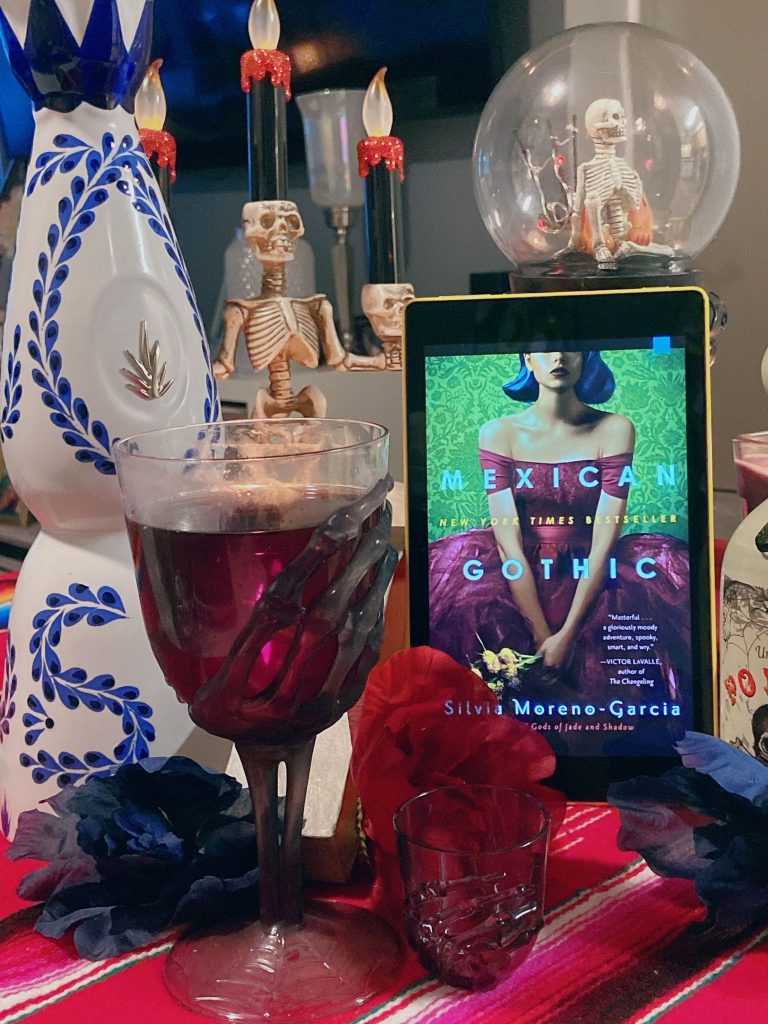
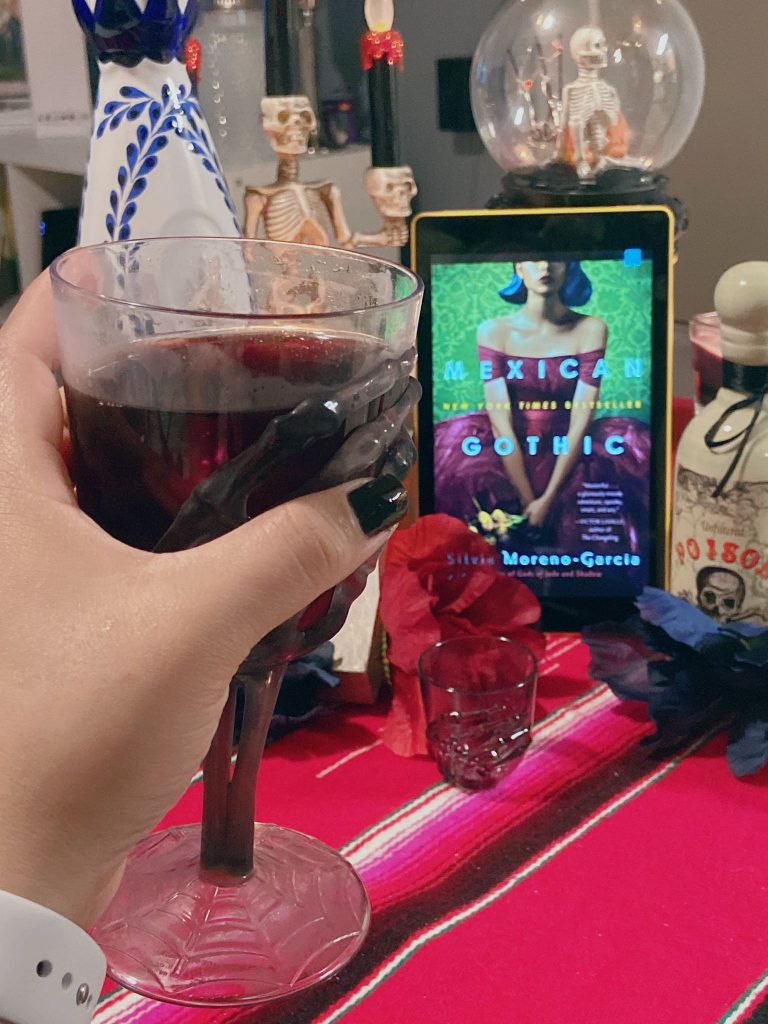
Mezcal, Neat — Noemí Before She Knows What She’s Walked Into Smoky, fierce, not for the faint-hearted. Noemí arrives at High Place with her cigarettes and her confidence, absolutely certain she can handle whatever this strange British family throws at her. A neat pour of mezcal is her drink before the house begins to change her. Complex, a little dangerous, undeniably Mexican.
Pulque — The Gloom’s Ancient Memory Fermented agave, cloudy white, tasting of something ancient and slightly wrong. Pulque has been drunk in the mountains of Hidalgo for thousands of years. It is the drink of the golden gloom that seeps through High Place’s walls, the drink of something very old and very patient that has been waiting underground far longer than anyone suspects.
Earl Grey with Too Much Sugar — Florence’s Rigid World The Doyle household runs on ritual and control. Tea is served at precise times in precise ways and absolutely nobody puts their elbows on the table. Earl Grey, overly steeped and slightly bitter, is the drink of Florence Doyle and the suffocating domestic order she maintains over a crumbling house. Sweet on the surface. Not remotely pleasant underneath.
Hot Chocolate, Mexican Style — Marta Duval’s Warning The local healer who sees exactly what the Doyles are, who knows the history of the land and the house and tries to tell Noemí what she is walking into. Mexican hot chocolate, thick with cinnamon and chili, drunk in a warm kitchen far from High Place, is her drink. Grounding, earthy, the taste of something that has not been corrupted.
Tequila and Lime — Noemí in Mexico City Before everything. The parties, the dancing, the dress with the bare shoulders, the young man whose name she won’t remember. A classic tequila with lime and salt: bright, present, entirely alive. The drink of the life Noemí had before a letter changed everything.
Something You Cannot Identify — The Dream Sequences There are scenes in this novel that taste like nothing you have ever read before. Pour something unfamiliar. Drink it slowly. Don’t try to name it.
Book Trail
Here’s your location guide for each stop:
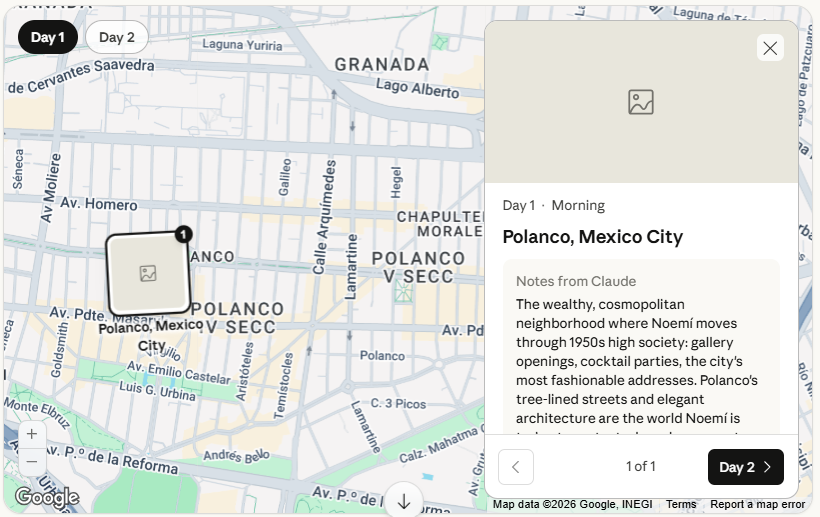
Polanco, Mexico City — Noemí’s world before everything changes. This elegant, cosmopolitan neighbourhood is home to Mexico City’s wealthiest families, gallery openings, cocktail parties, and the particular kind of sophisticated 1950s glamour that Moreno-Garcia wanted to place at the centre of her story. Noemí was inspired by a photograph of the author’s great-aunt at a party in the 1950s, wearing a dress that bared her shoulders and looking extremely confident the image of a Mexican woman that defied every stereotype. Walk Polanco’s tree-lined streets and you’ll understand exactly what Noemí is fighting to return to.
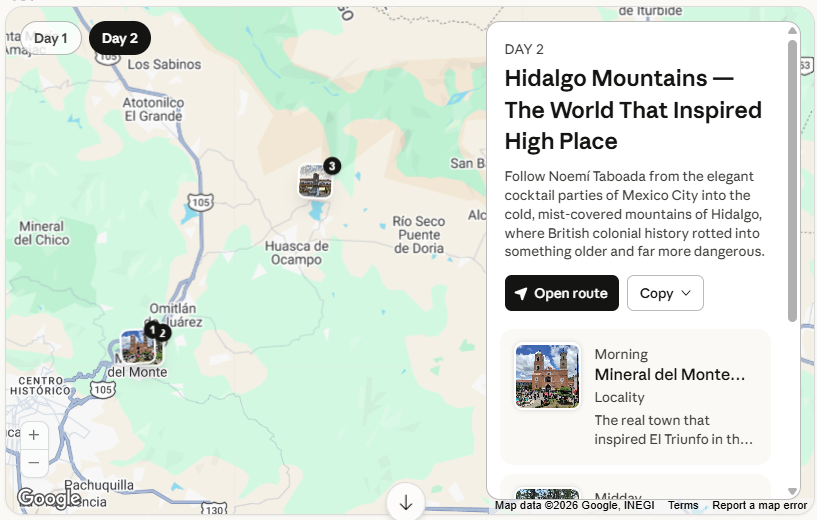
Mineral del Monte (Real del Monte) — The real town that inspired El Triunfo in the novel, perched high in the mountains of Hidalgo, cold, misty, and scarred by centuries of colonial silver mining. The British mining history earned it the nickname Little Cornwall, and its slanted English-style roofs are still a dead giveaway. This is where the novel lives, geographically and spiritually. Visit on a foggy morning and the book will make perfect, horrible sense.
Panteón Inglés, Mineral del Monte — The Victorian-era headstones adorned with Gothic angels all face England, the final resting place for British miners who lost their lives extracting silver from the mountain. One of the most extraordinary and quietly devastating places in Mexico. It is not a metaphor. It is the colonial violence of the novel made visible in stone. Open Tuesday through Sunday.
Basaltic Prisms of Santa María Regla — Moreno-Garcia considered including these extraordinary geological formations in the novel: surreal structures in the mountains of Hidalgo, with stairs that seem to go nowhere. Towering hexagonal columns of volcanic basalt with waterfalls running between them, surrounded by the same mist-covered mountains as El Triunfo. Standing at their base is to feel the exact supernatural scale that pulses under High Place throughout the entire book.
Book Club Questions
Initial Impressions
-
How does Mexican Gothic compare to other horror you’ve read in terms of suspense and how it made you feel?
-
Were you surprised by the supernatural twist at the heart of the story? Which plot points did you predict, and which ones did you not see coming?
-
If you’ve read other books by Silvia Moreno-Garcia, how does this one compare? Did it make you want to read more of her work?
Personal Reflection and Connection
-
The characters in the novel are trapped by social expectations, family duty, or even a magical symbiote. Can you relate to any of these feelings of entrapment in your own life?
-
What kind of horror in the novel was most effective for you? Was it the body horror, the mystery of the house, or something else?
-
How much did you know about the history of European colonialism in Mexico before reading this book? Do you think the novel provides a helpful view of the exploitative nature of resource industries?
-
Many of the women in the novel rebel against the men who abuse them. Did you identify with any of the female characters, and if so, in what ways?
Societal and Cultural Context
-
The novel explores the effects of imperialism and colonialism. How do issues of resource extraction and exploitation continue to be relevant in the world today?
-
Moreno-Garcia portrays different aspects of Mexican culture. Which cultural elements does the novel value and which does it question?
-
This novel is a purposefully feminist version of the Gothic horror genre. What does this subversion of classic horror tropes say about women’s roles in stories of this kind?
Literary Analysis
-
The novel connects mental illness with visions and nightmares. How do the female characters understand their own experiences, and how do others impose their own interpretations on them?
-
The novel’s male characters are either corrupt and misogynistic or ineffectual. What does it say about the aftermath of colonialism that these are the only types of men portrayed?
-
How does the novel modernize the Gothic genre by making classic conventions—like the crumbling mansion and the threat of sexual violence—more literal and graphic?
-
The book alludes to other works like Jane Eyre and The Yellow Wallpaper. What do these references add to the story?
-
What does the symbol of the ouroboros mean to the characters, and why does it become the crest of the Doyle family?
Creative Engagement
-
How do you imagine High Place looks? What kind of architecture would best fit this decrepit mansion?
-
What kind of soundtrack would you choose for a film adaptation of this novel?
-
How else could the novel have ended?

The London Séance Society

The Cuban Heiress
You May Also Like

The Whispers Book
November 9, 2023
The London Séance Society
May 11, 2023