
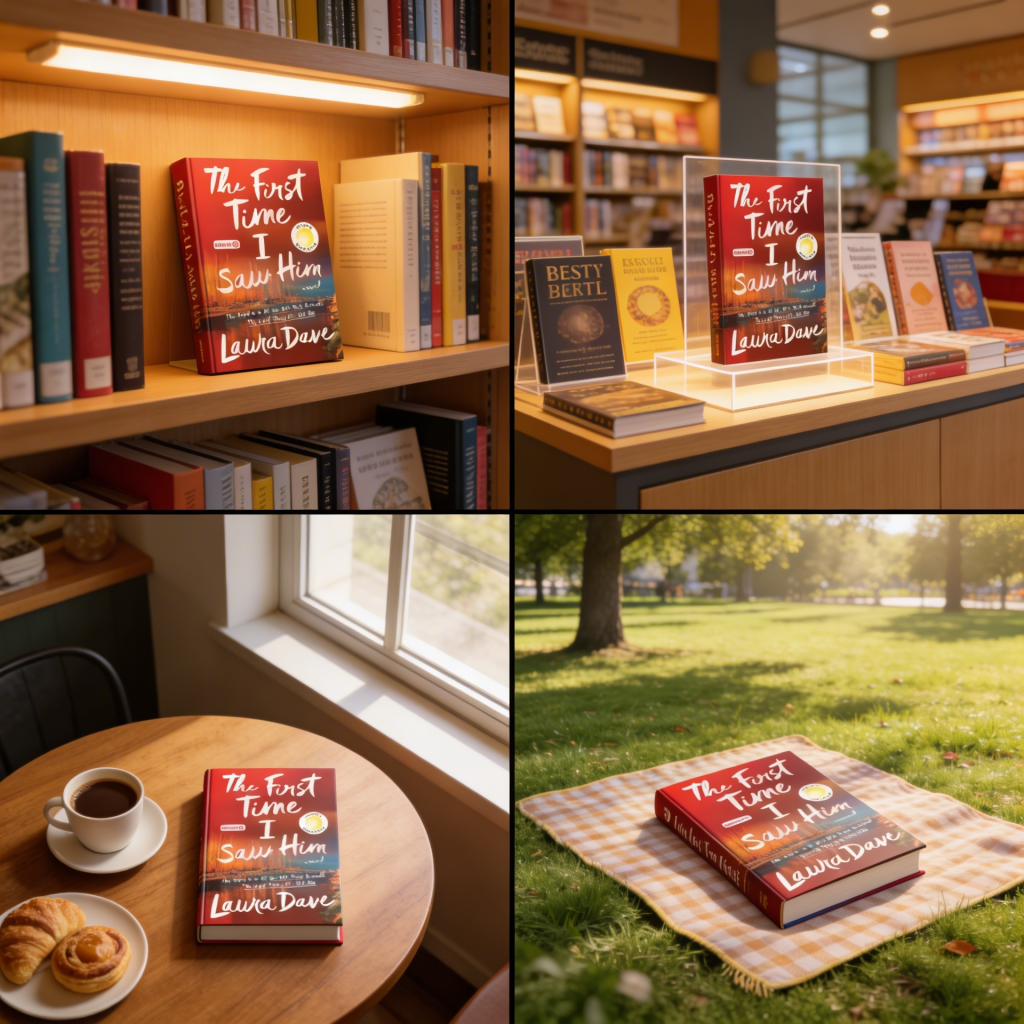
The First Time I Saw Him
The First Time I Saw Him

The First Time I Saw Him
by Laura Dave
Not Every Sequel Earns Its Pages
Laura Dave’s The Last Time I Saw Him was a propulsive, tightly wound thriller that left readers desperate for answers. So when the sequel arrived, expectations were high. The First Time I Saw Him promises resolution, the reunion, the reckoning, the exhale after years of tension.
Whether it delivers depends entirely on your patience.
For some readers, the expanded timeline and layered flashbacks will feel like richness. For others and this reviewer counts herself among them the frequent interruptions to the present-day narrative read as padding rather than depth, slowing the story at precisely the moments it should accelerate. Add to that a prose style that leans heavily on repetition, and what could have been a satisfying conclusion to a compelling duology becomes, at times, a test of endurance.
That said, the emotional core is real. The characters earned our investment in book one, and they still carry weight here. Below, you’ll find a full plot summary and book club questions everything you need to decide whether this sequel is worth your time, or whether you’d rather let the first book’s ending live unresolved in your imagination.
The World We Return To
When we turned the final page of The Last Thing He Told Me, the silence was deafening. Owen Michaels was a ghost, Hannah and Bailey were living in a fragile peace, and the mystery of the Michaels family felt like a wound that had scabbed over but never truly healed. Now, Laura Dave has done the impossible. She’s brought us back into their world with a sequel that doesn’t just chase the thrills of the original it deepens the soul of the story.
If you’ve been wondering whether the wait was worth it, let’s get into the details. Here is everything you need to know about the propulsive, globe-trotting journey that is The First Time I Saw Him.
The Premise: Five Years of Silence Broken
Five years have passed since Owen vanished into the ether to protect his family from his father-in-law’s criminal past. Hannah has found a rhythm in Santa Monica, running her woodworking studio, while Bailey has blossomed into a twenty-two-year-old musical theater writer. The “tacit agreement” with the Syndicate has held until a single afternoon at the Pacific Design Center.
The novel opens with a sequence that will make your heart stop: Owen, living as a vineyard hand in New Zealand for half a decade, is back on U.S. soil. He passes Bailey in a crowd. He doesn’t stop. He doesn’t speak. But the seal is broken. Within hours, the death of Nicholas Bell, the man who brokered their safety, triggers a domino effect that sends Hannah and Bailey fleeing for their lives once again.
A Masterclass in Narrative Structure
What makes this sequel stand out isn’t just the “flight” narrative though the race from the Pacific Coast Highway to a private airstrip in Napa is pulse-pounding it’s the emotional architecture. Dave weaves three distinct timelines:
The Present: A high-stakes chase leading from California to a breathtaking climax in the South of France.
The Vineyard Years: Heart-wrenching chapters showing Owen’s solitary life in Marlborough, New Zealand, where he quietly plotted his family’s permanent freedom.
The Consigliere’s Shadow: A forty-year retrospective of Nicholas Bell’s life within “Frank’s” criminal empire, revealing the true cost of his loyalty.
The Heart of the Story: Love as a “True North”
While the plot takes us to a cliffside village in Èze and a dramatic confrontation at Picasso’s Museum in Antibes, the book is ultimately a study of sacrifice.
The revelation that Nicholas Bell faked his death to draw the family together is the pivot point of the novel. We see a man who entered a life of crime to save his family, only to realize that his final act of love must be his own exit from their lives. The negotiation with the Syndicate’s heirs is tense, but the quiet moments like Owen watching Bailey from afar or the encrypted flash drive filled with shared memories are what stay with you.
My Take for the Book Club
The Verdict: Laura Dave has transitioned from a domestic suspense novelist to a writer of sweeping, atmospheric thrillers. This isn’t just a sequel; it’s a completion. It answers the question that haunted the first book: Was the sacrifice worth it?
🍷 Drink Pairings
If a New Zealand Sauvignon Blanc isn’t your speed, try these thematic alternatives:
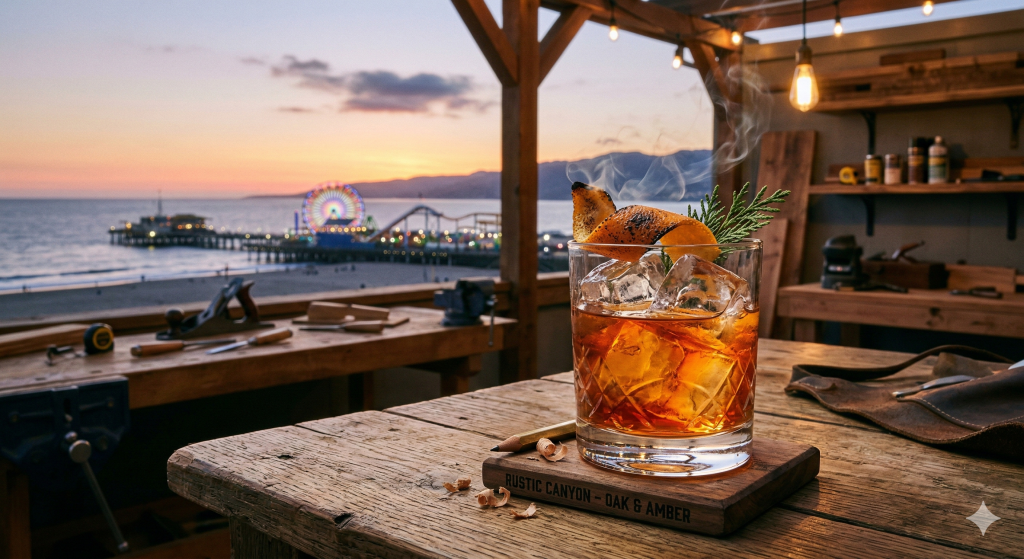
The “Rustic Canyon” Old Fashioned: A nod to Hannah’s woodworking studio in Santa Monica. Use a high-quality bourbon with strong oak and cedar notes, garnished with a charred orange peel to represent the “smoke and mirrors” of Owen’s disappearance.
A Pale Rosé from Côtes de Provence: Essential for the final acts in Èze and Antibes. It’s light, sophisticated, and perfectly matches the “purple moonlight” over the Mediterranean described in the book’s closing moments.

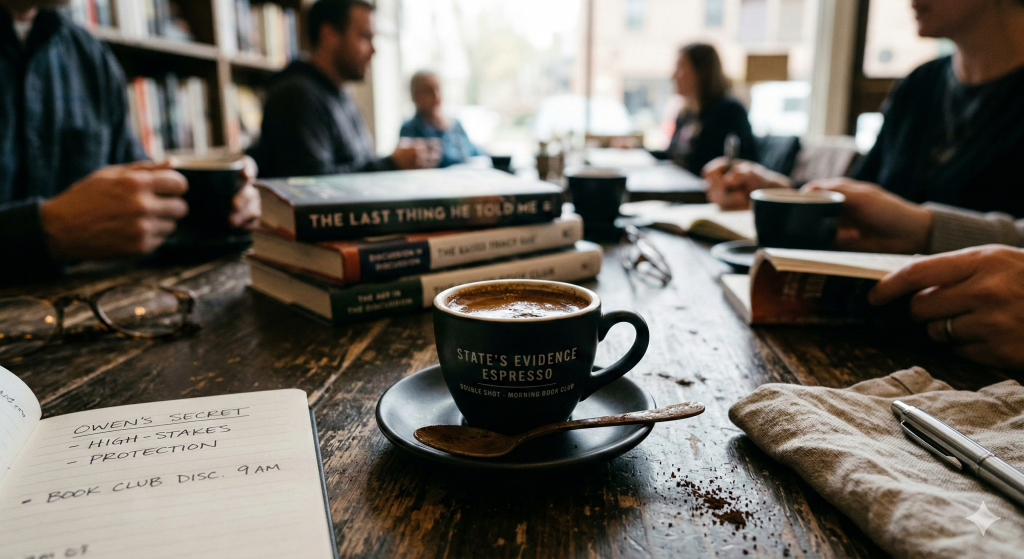
The “State’s Evidence” Espresso: For a morning book club. A double shot of dark roast bitter, intense, and grounding to represent the high-stakes pressure Owen lived under while plotting his family’s safety.
🍽️ The "Flight & Freedom" Menu
Food in this novel represents “home,” even when the characters are thousands of miles away from it.
Enjoy this journey through the places mention in the book.
The California Coast (The Beginning)
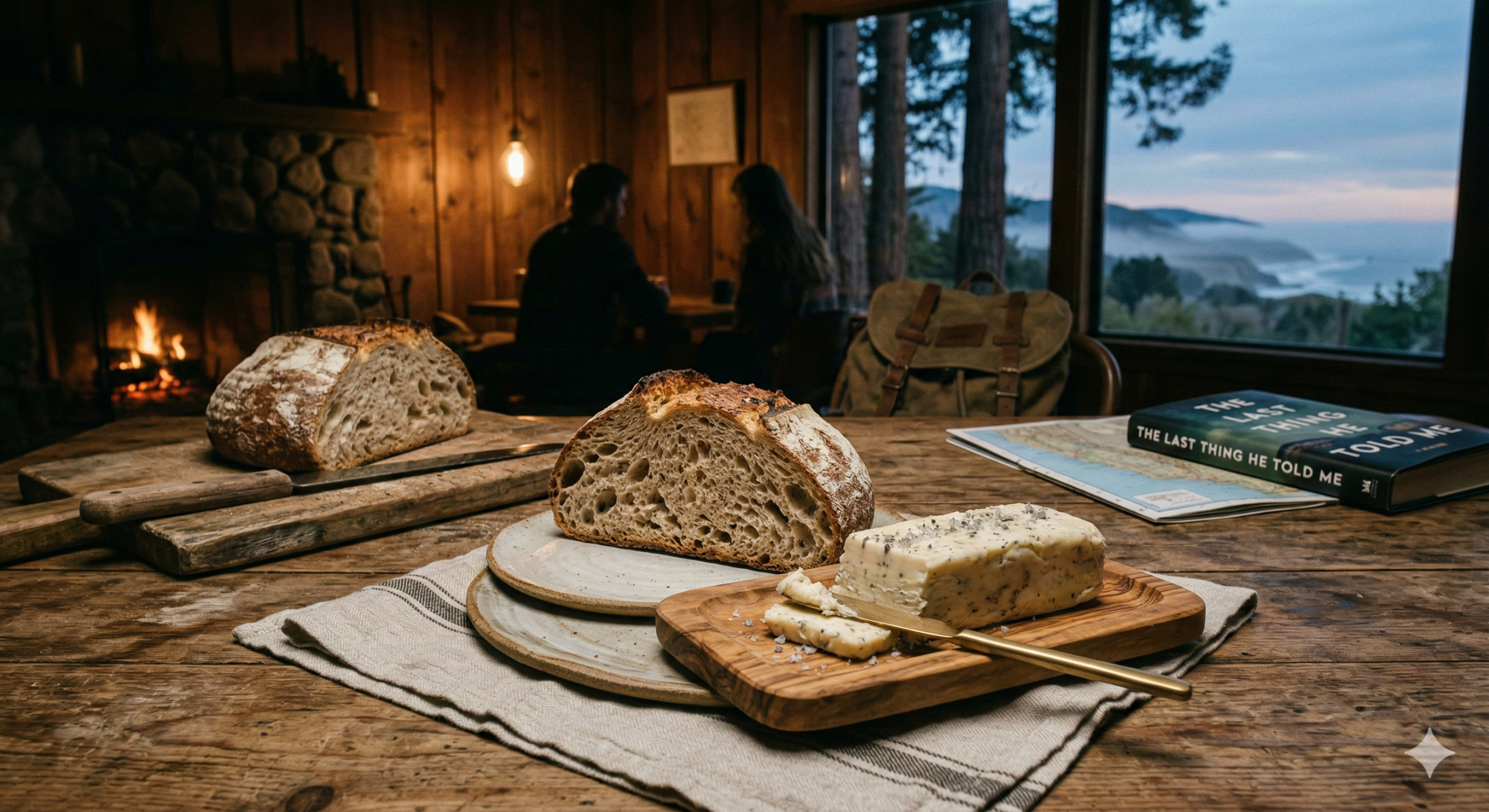
Artisanal Sourdough & Smoked Sea Salt Butter: A tribute to the Northern California leg of their flight. It’s “comfort food” for a family that is anything but comfortable.
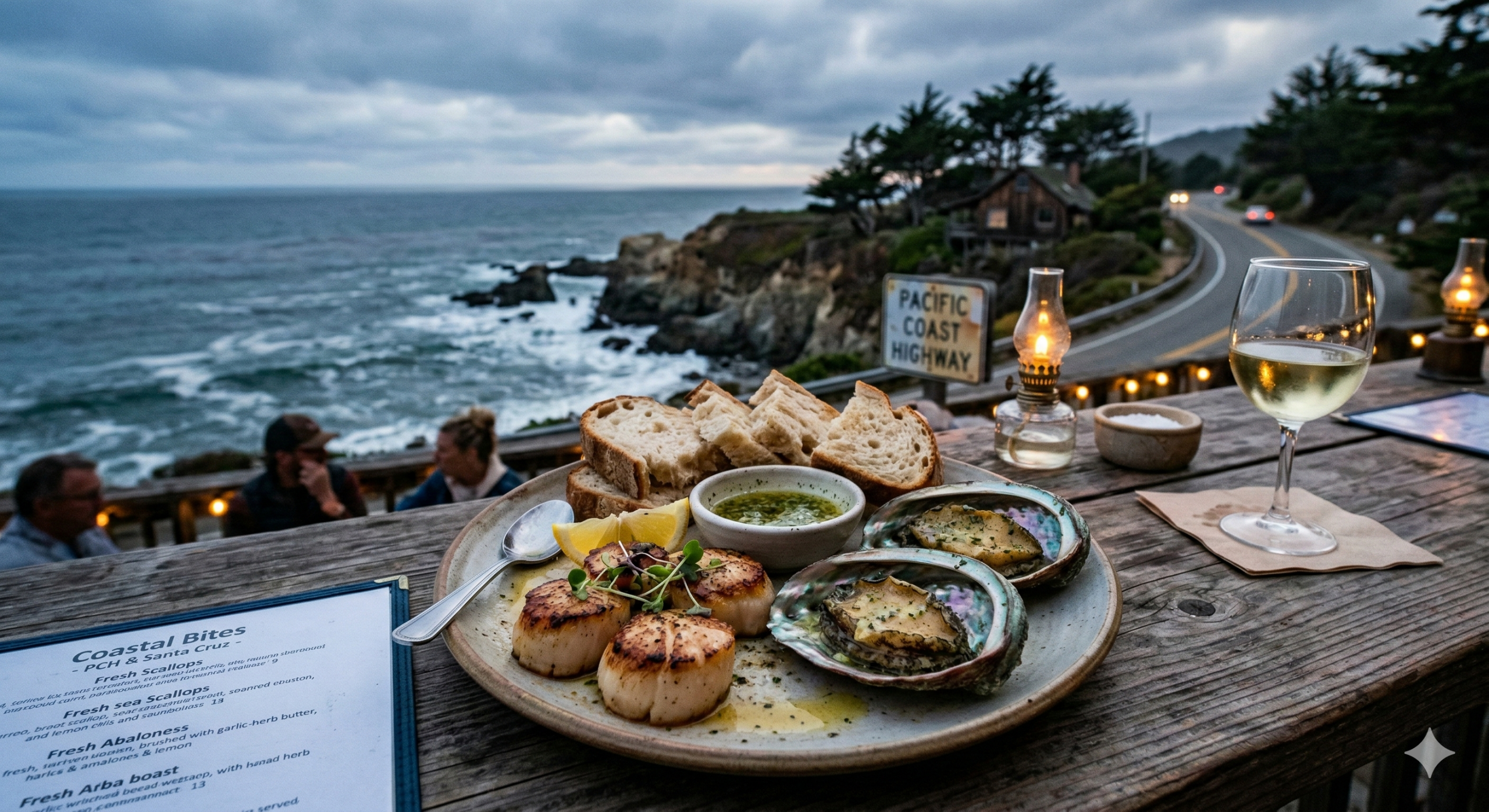
Fresh Abalone or Scallops: Inspired by the stops along the Pacific Coast Highway and the safe house in Santa Cruz.
The Marlborough Harvest (The Middle)
Lamb Sliders with Mint Pesto: A classic New Zealand staple. This earthy, hearty dish represents Owen’s years of manual labor in the vineyards, “blistering his fingers in the cold” to build a future.
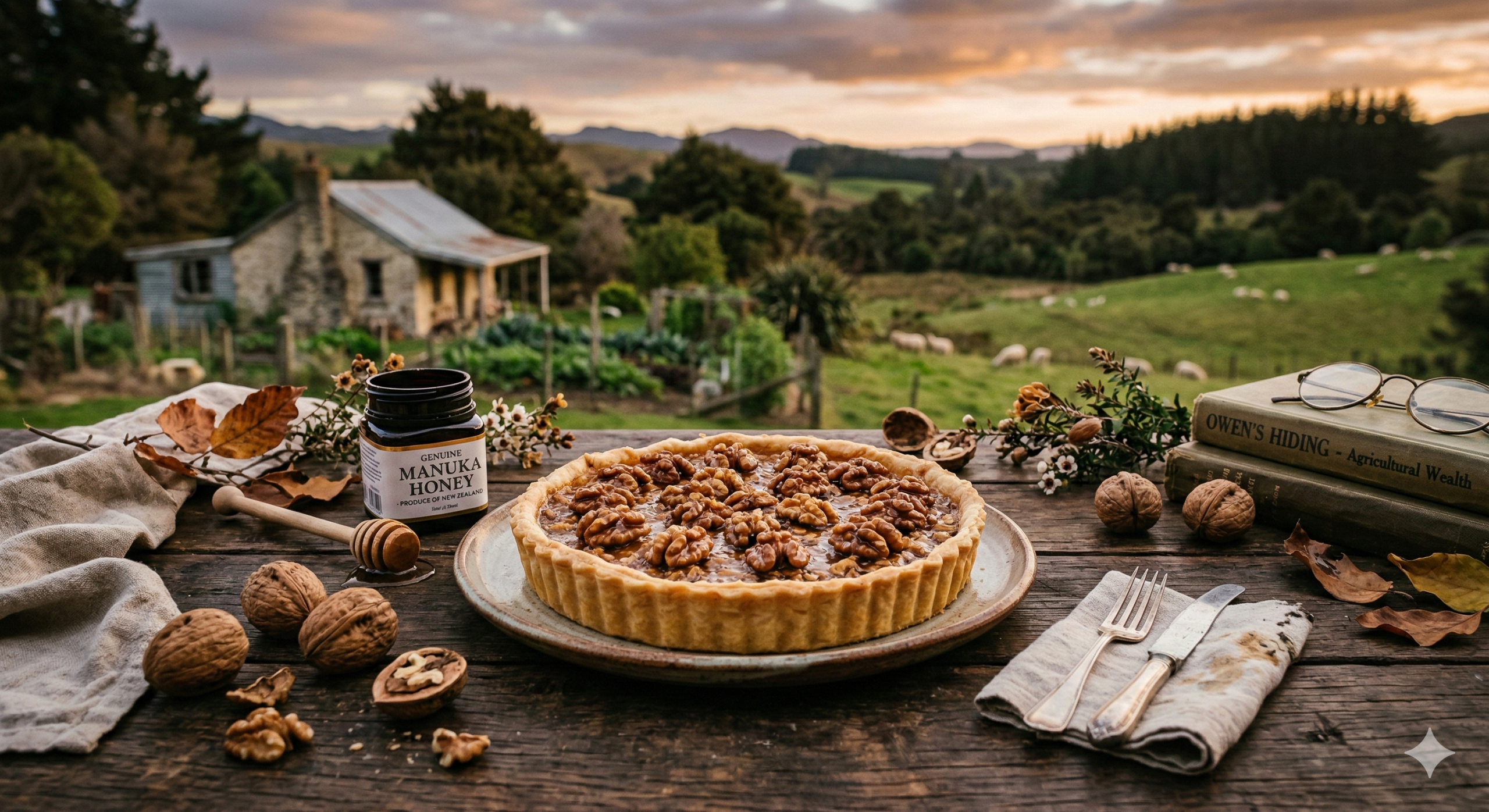
Manuka Honey & Walnut Tart: Reflecting the agricultural richness of the region where Owen hid in plain sight.
The Côte d’Azur Gala (The Climax)
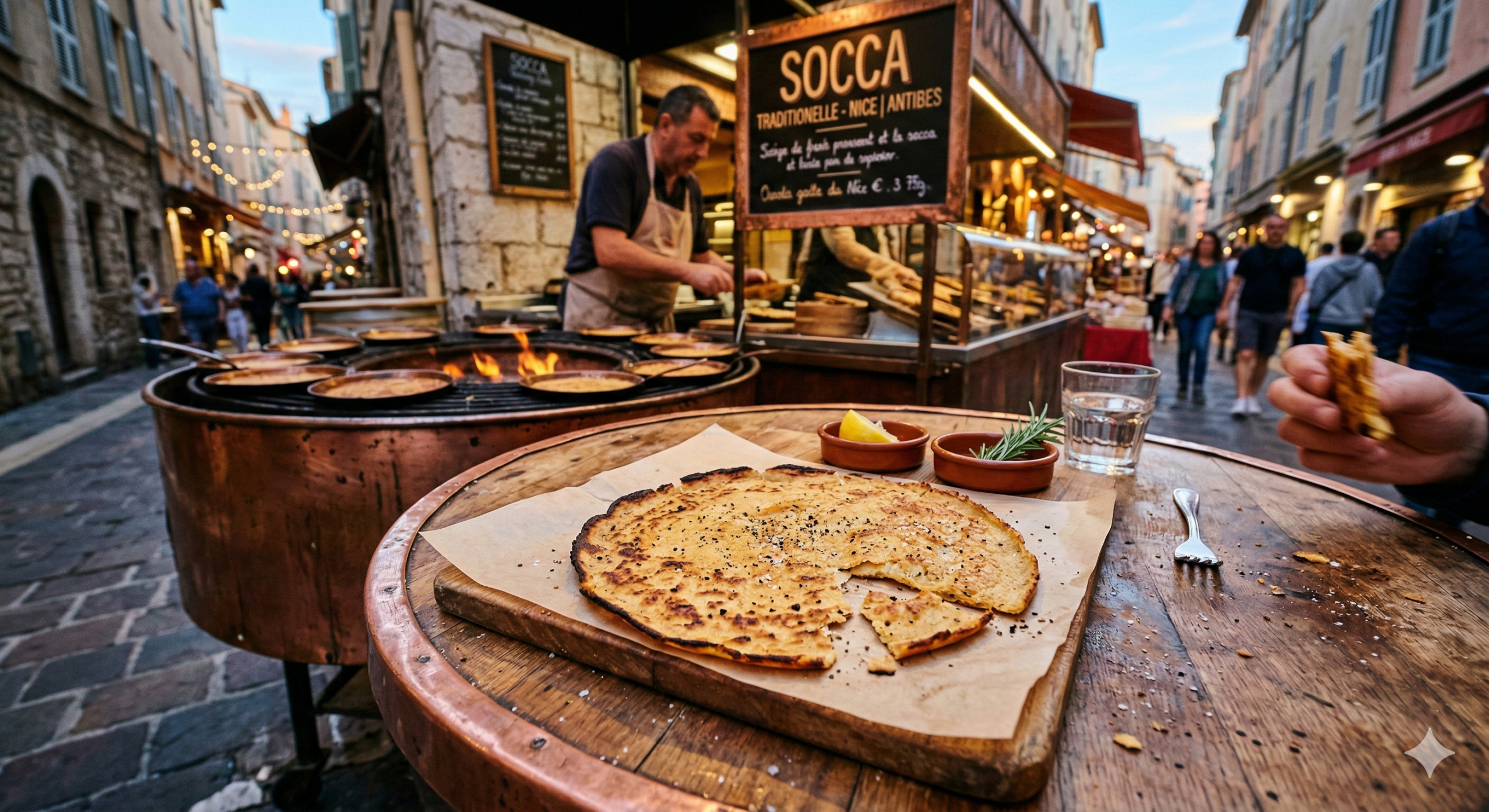
Socca (Chickpea Crepes): A traditional street food from Nice and Antibes. It’s golden, crisp, and authentic to the setting of the final confrontation.
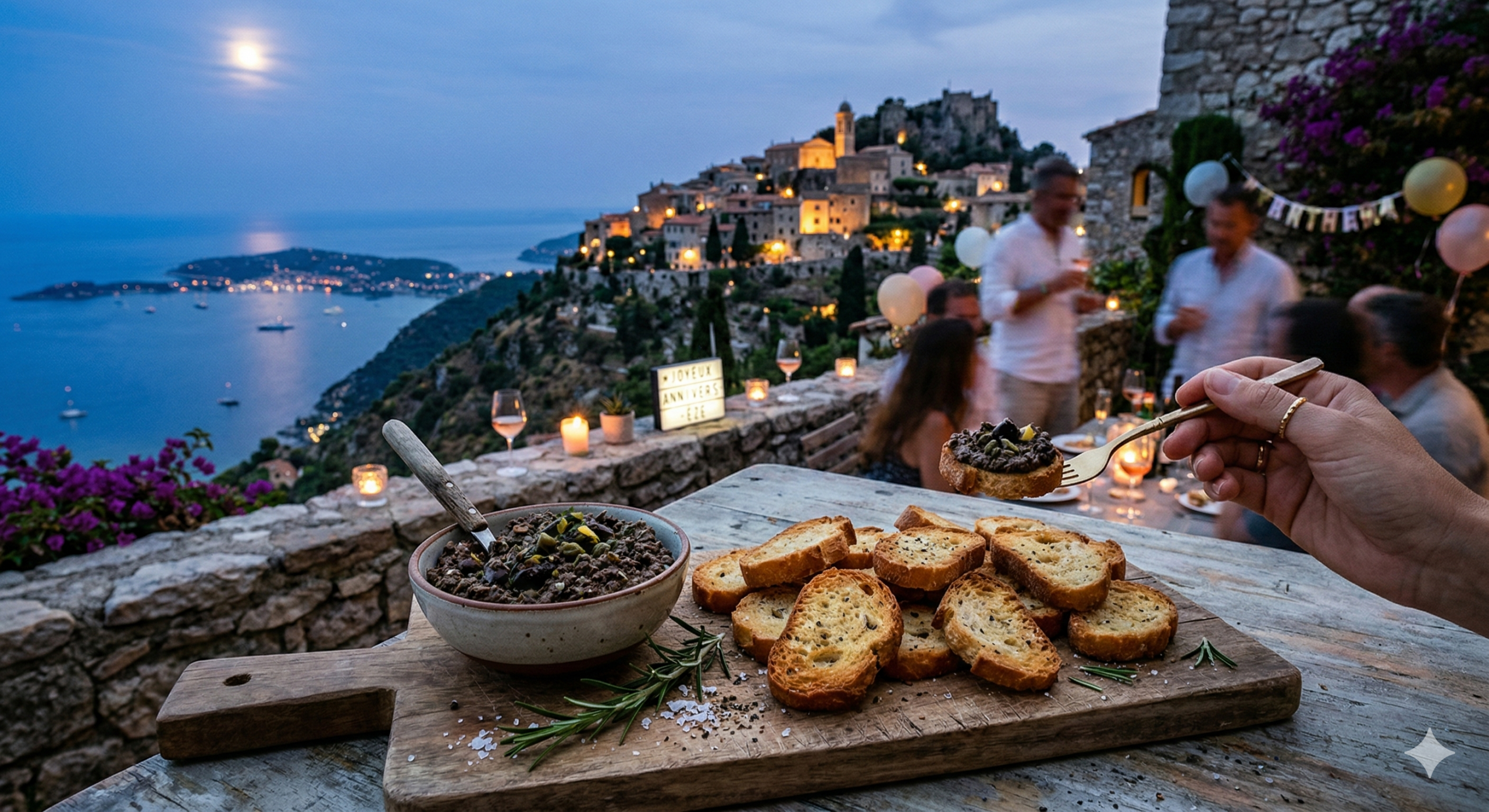
Tapenade & Crostini: A sharp, salty olive spread that mirrors the “salty” tension of the birthday party at the cliffside village of Èze.

🎨 Discussion Spotlight: Ulysses and the Sirens
When discussing the painting at the Musée Picasso, ask your group:
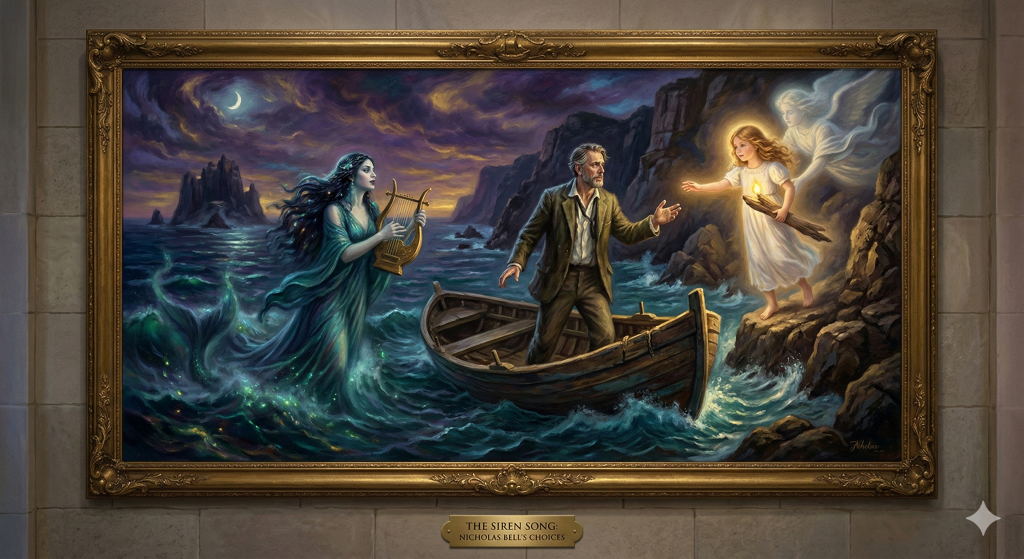
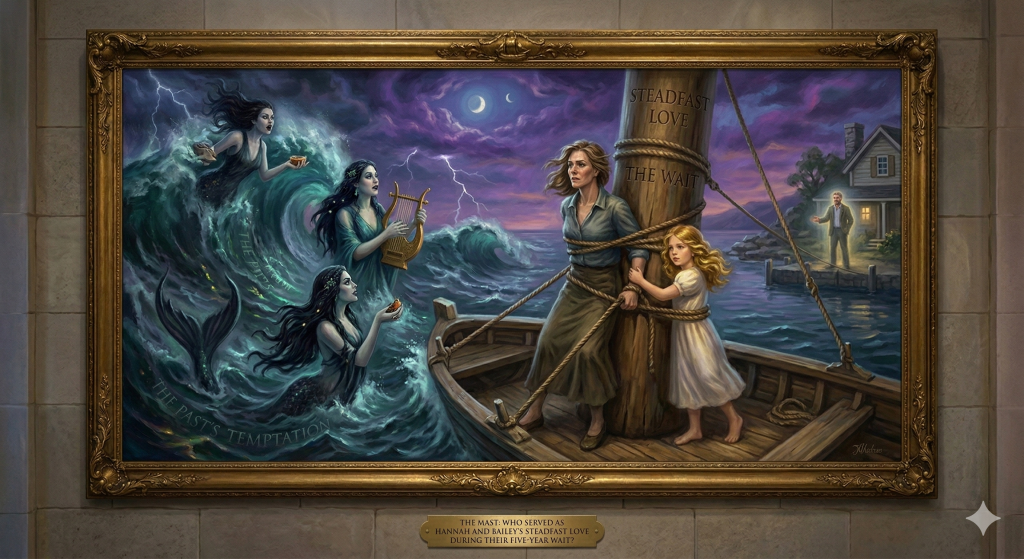
The Siren Song: In the original myth, the Sirens represent a temptation that leads to destruction. In the book, was Nicholas Bell’s life with “Frank” his siren song, or was it the dream of keeping Bailey safe?
The Mast: Ulysses had to be tied to the mast to survive. Who served as the “mast” for Hannah and Bailey during their five-year wait?
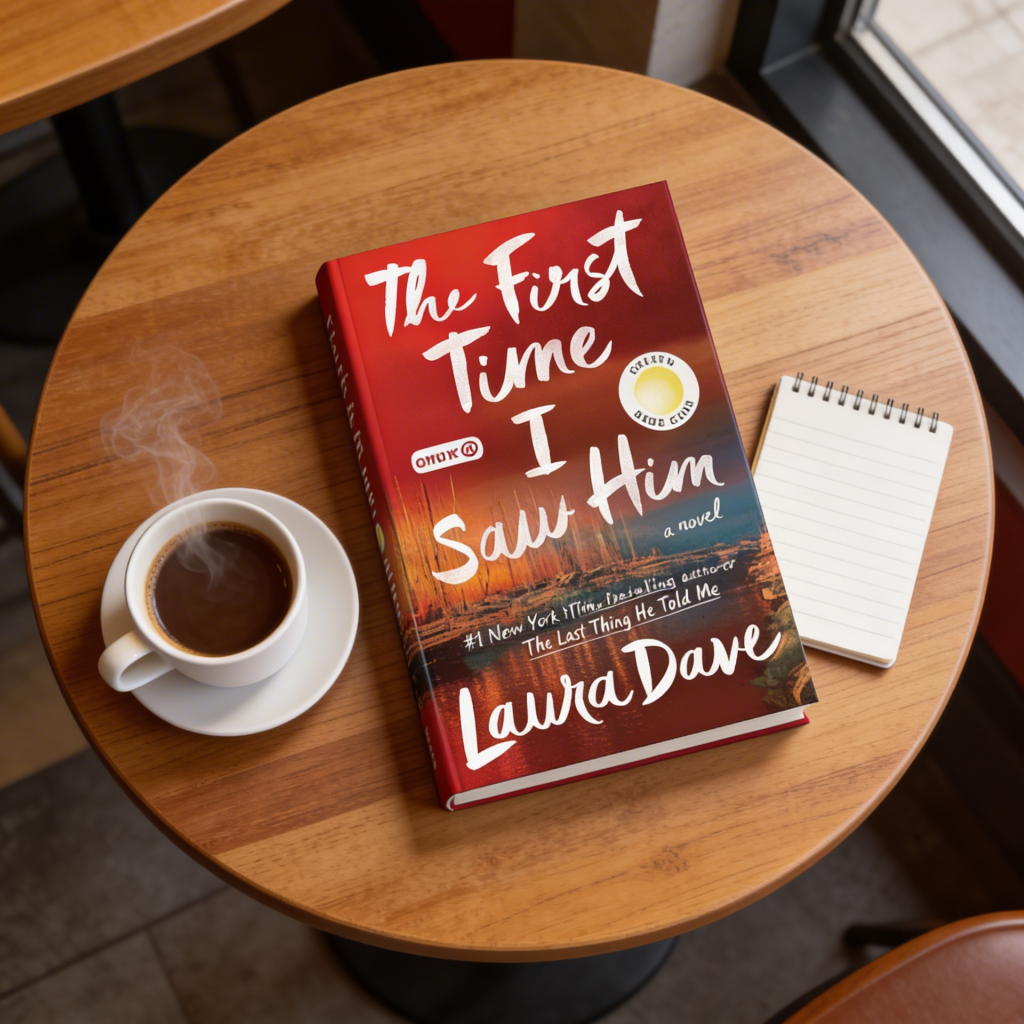

Story Timeline and Locations in the book
Where the story travels
Owen's home for five years — he works the vineyards through brutal harvests while planning his return. The isolation and slow rhythms of winemaking are where this story quietly begins.
Owen's first covert trip out of New Zealand — flown solely to mail a coded letter to Nicholas without a traceable postmark. A continent-crossing round trip for one envelope.
The South of France is where everything converges. Paris is where Hannah and Bailey arrive after Miami — they stay near the Champs-Élysées, a city full of honeymoon memories. Antibes is Owen's base in the final days, navigated by bicycle in early morning; Bailey waits at the Musée Picasso. Èze — the medieval clifftop village above the Mediterranean — is the dramatic climax: Frank's 80th birthday party at Le Café du Jardin, suspended in the cliffs. Cap Ferrat is where Frank and Nicholas vacationed with their families decades earlier in an 18th-century villa. The Antibes Marina is the final scene: Hannah walks the docks and finds Owen and Bailey on the boat.
Book Club Discussion Questions
Opening the Conversation
The novel opens with Owen walking past Bailey in a crowd without stopping five years, ten months, and twenty-four days after he last saw her. What was your emotional reaction to that scene? Did you understand his choice, or did it frustrate you?
How did returning to Hannah’s world feel after The Last Time I Saw Him? What had changed in how you saw her as a character? What had stayed the same?
Hannah: Survival, Identity, and Waiting
Hannah has built a beautiful, purposeful life in Santa Monica a home, a craft, a community while essentially living in suspension, waiting for a threat she can’t see. Do you think she was truly living during those five years, or holding her breath? What does the novel suggest?
Hannah’s woodworking is described in loving detail throughout the book. Why do you think Laura Dave chose this particular craft for her? What does it say about who Hannah is — and how she processes loss and uncertainty?
When Hannah figures out that Nicholas won’t be escaping with them, she confronts him directly. She says: “That wasn’t my question. What happens to you now?” What did that moment reveal about her relationship with him and about the kind of woman she has become?
The marine compass on Owen’s flash drive becomes a recurring symbol for Hannah. She thinks: “The compass always points north, even when everything else is unsteady.” What does true north mean to Hannah personally? Has her version of it shifted over the course of both books?
Bailey: Growing Up in the Aftermath
Bailey is twenty-two when this novel begins an adult, a working artist, someone who has rebuilt her own life while carrying the weight of her father’s absence. How has she changed since we first met her as a teenager? Do you think she has healed, or has she learned to live around a wound?
The scene where Owen sits down beside Bailey on the bench at the Musée Picasso in front of the painting he chose deliberately because of their shared memory — is told with great restraint. We don’t get their dialogue. Did you find that choice effective or frustrating? What do you imagine they said to each other?
Bailey’s musical theater project — a retelling of Pandora’s Box from Pandora’s point of view runs quietly through the background of the book. Why do you think the author included it? What parallels, if any, do you see between Pandora’s story and Bailey’s?
Bailey was raised as “Kristin” before Owen and Hannah gave her a new identity and a new life. She has now been Bailey for most of her memory. Do you think she has made peace with that complexity, or is it something she still carries?
Owen: Absence as a Form of Love
Owen’s chapters in New Zealand are full of physical labor, cold harvests, and sleepless nights. He describes his two guiding questions as: How do I get Hannah and Bailey out? How do I keep them safe? Do you believe that staying away, in his case, was truly the most loving choice or was there an element of self-protection in it too?
Owen makes six covert trips out of New Zealand over five years, each one riskier than the last. He attends none of Bailey’s milestones in person no graduation, no performances, no move-in days. He watches her social media from public computers. How do you weigh his devotion against the cost his absence imposed on her?
By the end, Owen has arranged everything: the boat, the coordinates, the encrypted calls, the escape route. He is, in many ways, a man who expresses love through planning and protection rather than through presence. Is that enough? What does the novel seem to think?
Nicholas Bell: The Novel’s Moral Heart
Nicholas is the book’s most morally complex character. He entered Frank’s world out of financial fear and stayed out of grief and loyalty. At what point if any do you think he crossed a line he couldn’t come back from? Did he ever truly try to come back?
The flashback chapters reveal that Nicholas lost his daughter Kate Bailey’s mother to a hit-and-run while walking to meet him. His grief is the pivot on which his entire later life turns. How does the novel treat that grief? Does it excuse his choices, explain them, or simply witness them?
Nicholas tells Owen, before they part ways in Kona: “This can’t end with both of us getting out alive.” He says this calmly, without self-pity. What do you make of that acceptance? Is it courage, guilt, or exhaustion or something else?
Nicholas’s final act is essentially to sacrifice himself to protect Hannah and Bailey. Given everything he did the decades of enabling Frank’s organization do you feel he earned his ending? Is sacrifice the same as redemption?
Frank says to Nicholas: “You’re a good man.” Nicholas replies that neither of them should be talking about what a good man is. What do you think the novel ultimately decides about Nicholas? And what do you decide?
Frank and the Organization
Frank is a crime boss who genuinely loved his wife, his children, and his oldest friend. The novel doesn’t ask us to forgive him, but it does ask us to understand him. Did you? Where, if anywhere, did you feel sympathy for Frank?
Quinn, Frank’s daughter and heir apparent lost her husband to Owen’s testimony. Her anger at Owen is, in some ways, the most relatable grievance in the book: she is a mother whose children grew up without their father. Did the novel treat her fairly? Did you?
The deal that ends the book is built on mutually assured destruction everyone has something to lose, so no one acts. Is that justice? Is it the best Hannah and Owen could have hoped for? What would a truly just resolution have looked like?
Structure, Flashbacks, and Time
The novel weaves at least three time streams: the present-day flight, Owen’s years in New Zealand, and Nicholas’s decades with Frank reaching back forty years. Did you find the structure clarifying or disorienting? How did moving between timelines affect your emotional experience of the story?
The flashback chapters are titled with time stamps “Forty-Three Years Ago,” “Sixteen Years Ago,” “One Year Ago” that count down toward the present. What effect did that countdown create for you as a reader?
Laura Dave gives us Owen’s perspective but withholds it strategically we don’t get his full chapter until quite late in the book. How did that choice shape your feelings about him? Did finally hearing his interiority change anything for you?
The Ending and What It Means
The novel ends with Hannah finding Bailey asleep in the boat’s cabin, then going up to the deck to find Owen. We don’t get an explicit reunion scene we simply know he is there. Did that restraint feel earned, or did you want more? What do you imagine the morning after looks like for this family?
The title , The First Time I Saw Him, is withheld in meaning until the very last pages, when it becomes clear that it refers not to a memory but to this present moment: Hannah truly seeing Owen for the first time in years. How did that realization land for you? Did it reframe your reading of anything that came before?
Nicholas says goodbye offstage. We don’t see it happen. Do you think that was the right narrative choice? What would it have meant for the story and for Bailey to witness it?
At its core, this is a novel about the price of love. Owen paid it with years of absence. Nicholas paid it with his freedom and ultimately his life. Hannah paid it with uncertainty and suspension. Bailey paid it with her childhood. Is the ending the family together, safe worth those costs? Does the novel earn its reunion?
Connecting the Two Books
The Last Time I Saw Him is told almost entirely from Hannah’s perspective in a compressed period of time. This sequel expands to include Owen, Nicholas, and Bailey as focal characters across years. How did that expansion change the emotional texture of the story for you?
If you could ask Laura Dave one question about these two books about a choice she made, a character’s fate, or a theme she explored what would it be?
My review


You May Also Like
The Burning Library
August 2, 2026
Spare – The Prince
May 11, 2023