
The Weight of Silence: Winter Garden
Winter Garden

Winter Garden
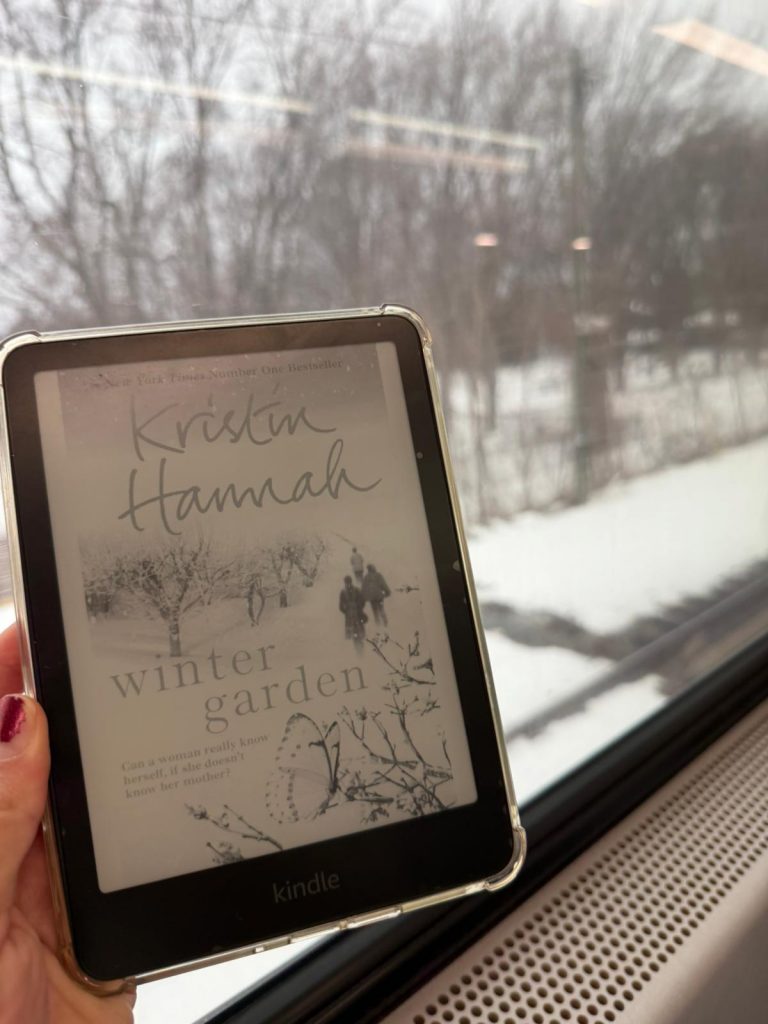
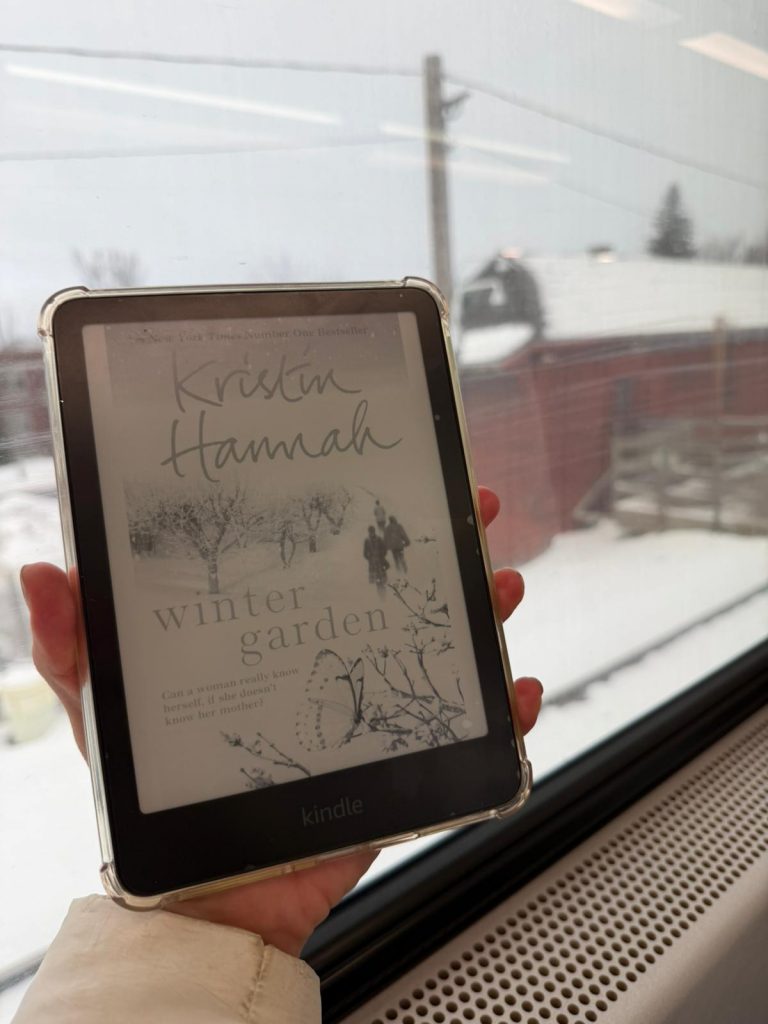
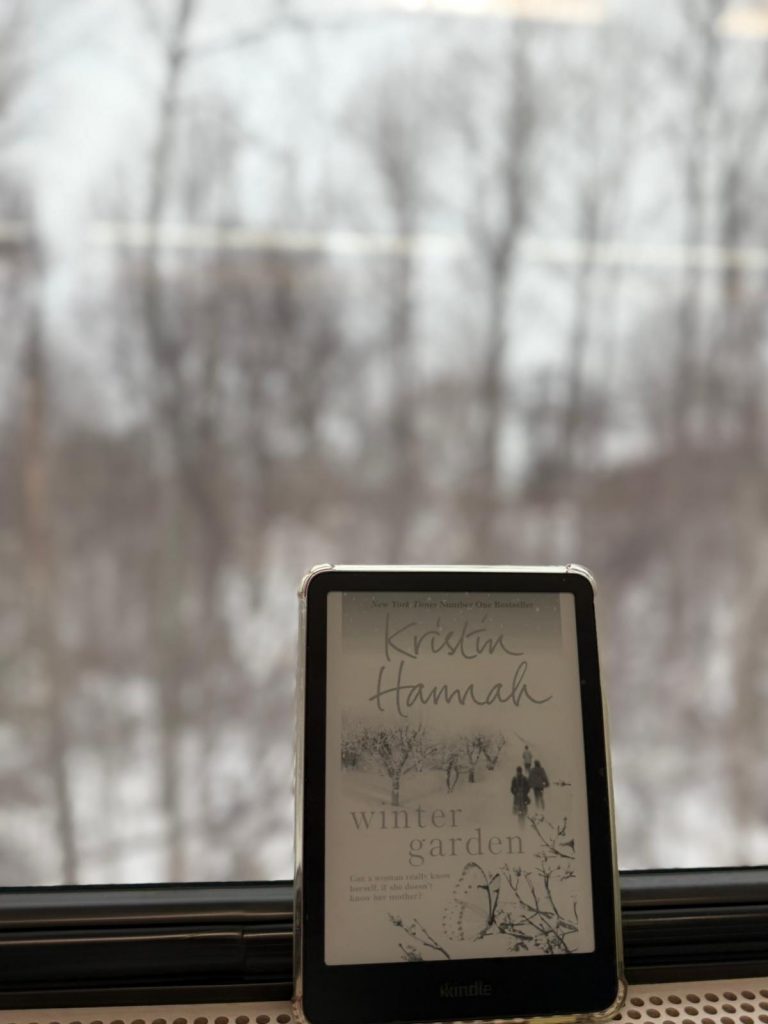
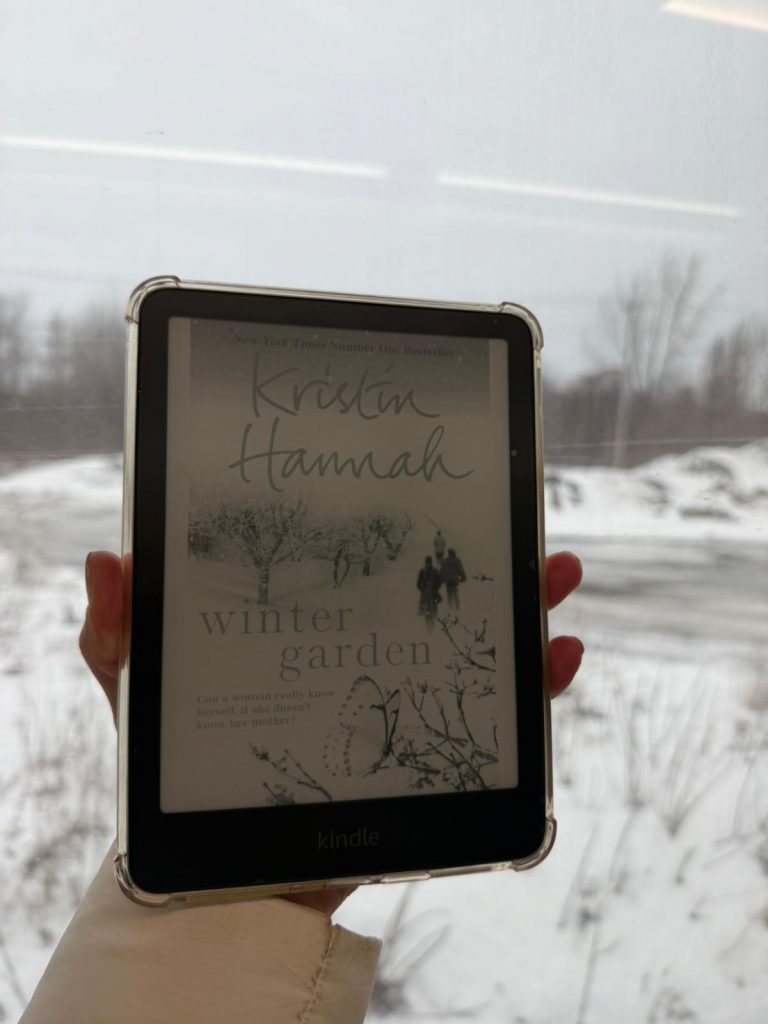
By Kristin Hannah
The Weight of Silence: Why Kristin Hannah’s Winter Garden Still Haunts Me
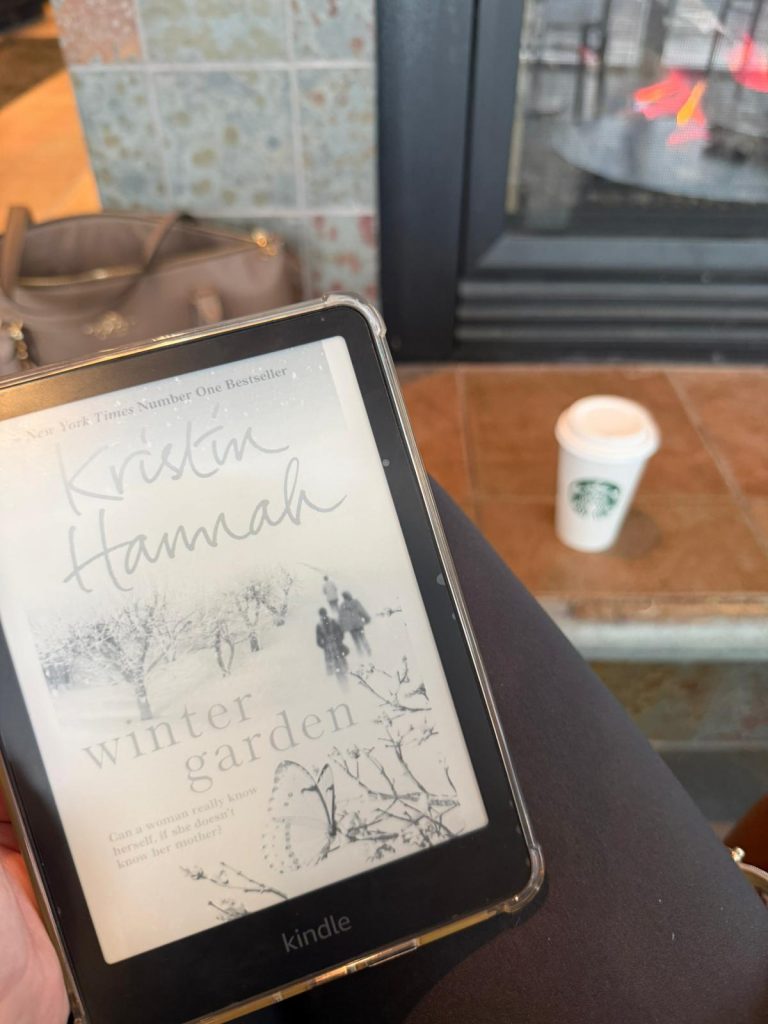
I’ve always been drawn to stories that peel back the layers of human behavior the kind where the “thriller” isn’t just in the plot, but in the slow-burn realization of why people act the way they do. When I picked up Winter Garden by Kristin Hannah, I wasn’t expecting it to stay with me this long. It’s a book about the walls we build around our pain and the high price we pay for keeping secrets, even when we think we’re protecting those we love.
But first let's choose our drink
The Traditionalist: Chilled Premium Vodka

To channel Anya’s Russian roots, serve a high-quality vodka (like Beluga or Stolichnaya) straight from the freezer.
The Vibe: Sharp, cold, and clear—just like the Leningrad winters.
Serving Tip: Sip it slowly while reading the historical flashbacks to feel that "frozen" atmosphere.
A twist on a classic for the moments where the family begins to heal.
Ingredients: 60ml Vodka, 15ml Elderflower Liqueur, a splash of soda water, and a twist of lemon.
The Vibe: The elderflower represents the garden coming back to life, while the vodka keeps it grounded in the past.
The "Belye Nochi" (White Nights) Cocktail

The Apple Orchard Martini

A nod to the Whitson family business in Washington State.
Ingredients: Vodka, fresh apple cider (or apple schnapps), and a thin slice of Granny Smith apple for garnish.
The Vibe: This represents Meredith’s world—the domestic, "perfect" life on the surface with a kick of strength underneath.
The Premise: A Childhood Left in the Cold
The story centers on the Whitson family, but at its heart, it’s about two daughters, Meredith and Nina, navigating the emotional fortress of their mother, Anya.
Anya isn’t just a “cold” mother; she’s a mystery. She’s an immigrant who treats her daughters with a detachment that feels like a rejection, finding her only solace in her “winter garden” and a dark, unfinished fairy tale she tells them. When a young Meredith tries to turn that fairy tale into a play for a family party, the resulting explosion of rage from her mother sets the stage for a lifetime of estrangement.
When Past Collides with Present
Years later, the sisters are grown and following divergent paths:
Meredith is the dutiful daughter, keeping the family apple orchard (Belye Nochi) running while her own marriage crumbles.
Nina is a world-renowned photojournalist, using her camera to view the world from a safe, detached distance.
It takes the death of their father, Evan, to force a confrontation. He leaves them with one final, cryptic request: force their mother to finish her fairy tale. What starts as a simple promise becomes a desperate, dangerous journey into the truth.
The “Fairy Tale” as a Survival Mechanism
As I read, I realized the fairy tale wasn’t just a story. It was code. Anya had been living behind a mask for decades, concealing the horrors of the Siege of Leningrad. The “peasant girl” in the story wasn’t a fairy-tale figure—she was Anya (or Vera, as she was known).
The novel shifts between the modern-day struggle to connect and the brutal reality of a woman watching her family starve in 1941. It’s a masterclass in how generational trauma works. Anya’s “coldness” wasn’t a lack of love; it was the scar tissue of a woman who had survived the unthinkable and felt she couldn’t afford to love again.
“The truth is rarely pretty, but it is always the only thing that can set us free.”
Why This Story Matters
For anyone interested in emotional maturity and the complexity of relationships, Winter Garden is a powerful study in empathy. We see how:
Silence destroys connection: The lack of communication between Anya and her daughters created a canyon of misunderstanding that took decades to bridge.
Healing requires the whole story: It wasn’t until Meredith and Nina heard the end of the story the full, ugly, tragic truth that they could finally forgive their mother.
Peace is a choice: Even after all the pain, the ending reminds us that it is possible to find happiness, but only after we stop running from our history.
The journey they take to Alaska to find the truth acts as the final catalyst. When the walls finally crumble, it’s not just a reveal; it’s a release.
My Takeaway
This isn’t a light read, but it’s a necessary one. If you’re a fan of character-driven fiction, you’ll appreciate how Hannah navigates the gray areas of motherhood and the struggle to be seen. It’s a haunting reminder that our parents are people, too people who carry their own ghosts.
Timeline
🎭 1972 — The Night the Fairy Tale Broke Everything
Belye Nochi, Washington State
Twelve-year-old Meredith loves her mother’s fairy tales more than anything. So when she writes and performs a play based on one of them at the family Christmas party, she expects magic. What she gets instead is her mother’s fury cold, sudden, inexplicable.
Anya shuts down the performance. The room goes silent. And something fractures between mother and daughters that will take decades to repair. Meredith makes herself a private vow: she will never ask for a fairy tale again.
💔 2000 — The Heart Attack That Changed Everything
Belye Nochi, Washington State
Twenty-eight years later, their father Evan has a heart attack. Meredith and her sister Nina rush home to the apple orchard they grew up on. In his final days, Evan makes one desperate wish: he wants Anya to finish the fairy tale. She refuses.
When Evan dies, he takes that wish with him but he also plants a seed. His daughters are left not only with grief, but with questions that have no answers. Yet.
🌿 2000 — Coming Apart at the Seams
The months that follow are brutal. Meredith buries herself in running the orchard, suffocating under the weight of responsibility. Her marriage slowly collapses. Nina flees overseas with her camera, too fractured to stay. And Anya cryptic, grieving, increasingly erratic slips further and further from the daughters who don’t know how to reach her.
🏥 The Nursing Home Decision
Anya’s confusion deepens. She does strange things at strange hours. The family doctor attributes it to grief, not illness. But eventually, after too many frightening episodes, Meredith makes the heartbreaking call to place her mother in a nursing home for rehabilitation.
Nina is furious. The rift between the sisters grows.
🏡 Coming Home Again
Nina returns from her assignments abroad, removes Anya from the nursing home, and brings her back to Belye Nochi determined to care for her herself. And then something small and tender begins to happen: the three women start having dinner together. They start talking. Carefully. Tentatively. Like people learning to trust a frozen bridge.
❄️ Evan’s Birthday — Ashes in the Winter Garden
On Evan’s birthday, Meredith, Nina, and Anya gather in the winter garden to scatter his ashes. Nina drops the box. Ashes go everywhere.
And somehow impossibly they all start laughing.
It’s the first real moment they’ve had together in years. A turning point hiding inside an accident.
📖 The Fairy Tale Returns
Anya begins telling the fairy tale again. She had promised Evan. And as she speaks, something shifts the story is darker, stranger, and more precise than any fairy tale should be. There are details no one invents: a city under siege, children dying of hunger, a lake crossed in winter under falling bombs.
Meredith listens from the hallway, hidden. Nina begins writing everything down. Both sisters begin to suspect: this is not fiction. This is memory.
🔍 Unraveling the Truth
A letter surfaces from a Russian studies professor named Vasily Adamovich, who reached out to Anya years ago. The sisters dig deeper. They research the protagonist of the story, a woman named Vera. The historical details are too specific, too harrowing to be invented.
The fairy tale isn’t a fairy tale. It’s a confession.
🚢 The Alaskan Cruise — And the Confession
Nina arranges an Alaskan cruise with one destination in mind: Vasily’s nursing home in Juneau. During the journey, Anya finally says the words out loud.
The story is true. My real name is Vera.
She tells them everything surviving the Siege of Leningrad, the starvation, the bombings, the impossible choices. The daughters sit in stunned silence as their mother becomes a stranger and a hero at the same time.
💀 Vera’s Story — What Was Lost in the Siege
Anya, Vera lost everyone. Her sister Olga, killed in a bombing. Her son Leo, dead of starvation. Her daughter Anya, killed alongside her husband Sasha in another bombing. She walked out of Leningrad carrying nothing but survival and a name she borrowed from a child she could not save.
🎙️ Juneau — Telling It to History
At Vasily’s nursing home, Anya records her testimony for his historical archive. She speaks for hours. She names names. She describes the ice road across Lake Ladoga. She tells how American soldiers liberated her and how one of them, Evan Whitson, brought her to Washington State and gave her a new life and a new name.
🍽️ The Daughter Who Survived
Sitka, Alaska
Delivering Vasily’s tapes to a former student leads the women to a Russian restaurant and to a woman named Stacey. Who is, in fact, Anastasia. Anya’s daughter, the one she believed had died. She had been searching for her mother for decades.
The reunion is wordless, tearful, and everything.
🌱 2001–2010 — The Long Healing
Belye Nochi, Washington State
The years that follow are quiet and full. Meredith and Jeff reconcile and travel the world. Nina keeps shooting photos, now with Danny beside her. Anya and Stacey visit each other often, speaking Russian together, filling in the years.
The orchard blooms every spring. The dinners continue.
🌸 2010 — The Winter Garden, One Last Time
Belye Nochi, Washington State
Having told her story, having found her daughter, having been found Anya walks into her winter garden one final morning and lets go.
She dies as she lived at her best: surrounded by beauty, at peace, no longer carrying a secret too heavy for any one person to bear alone.
1. Belye Nochi, Washington State
- The Whitson family home and apple orchard.
- Symbolizes Anya’s connection to her Russian heritage.
- Where Meredith, Nina, and Anya live during the present-day timeline.
2. Leningrad (now St. Petersburg), Russia
- Anya’s (Vera’s) childhood and young adulthood home.
- The primary setting of Anya’s “fairy tale,” which is actually her real-life story.
- The city endures the devastating Siege of Leningrad during World War II.
3. The Winter Garden (at Belye Nochi)
- A greenhouse attached to the family home.
- Symbolic space for memory, grief, and healing.
- Site of important family moments, including spreading Evan’s ashes.
4. Alaska (Sitka and Juneau)
- The sisters and Anya travel here to meet Vasily, a Russian studies professor.
- Sitka’s Russian heritage connects Anya’s past and present.
- Juneau is where Vasily lives in a nursing home.
5. Various Locations in Leningrad (in Anya’s Story)
- Vera’s family apartment.
- The Summer Garden (a park in Leningrad, where Vera and Sasha meet).
- The library where Vera works.
- Refugee camps and evacuation routes during the siege.
6. Nursing Home (Washington State)
- Where Meredith temporarily places Anya when her mental health declines.
The Shadow of Leningrad: Why Anya’s Coldness Makes Sense
To truly understand Anya, you have to understand the nightmare she walked through. As I was researching the background for this story, the sheer scale of the Siege of Leningrad (1941–1944) left me breathless. It wasn’t just a battle; it was a systematic attempt to erase a city and its people from the map.
A City Under Siege
Hitler didn’t just want to conquer Leningrad; he wanted to starve it. For 872 days, the city was cut off. To put that in perspective, imagine your city being unable to receive food, fuel, or medicine for over two years while being constantly bombarded.
Hannah doesn’t shy away from these historical truths. She uses them to explain Anya’s “winter” personality. When you’ve watched 1.5 million people around you perish including your own mother, grandmother, and sister how do you ever feel “safe” enough to love deeply again?
The “Road of Life” and the Cost of Escape
One of the most heart-wrenching parts of the book is the mention of the Road of Life. This was the only supply route into the city, crossing the frozen Lake Ladoga. In the novel, we see the devastating reality of this “escape”:
The Peril: Evacuation didn’t guarantee safety. Anya’s experience with the German attack on the children’s train is a direct reflection of the real-life risks families took.
The Losses: Anya loses her husband, Sasha, and her children during these desperate attempts. As a reader, it’s a gut punch to realize that her “coldness” is actually a massive Case of PTSD. She isn’t uncaring; she is haunted.
The Winter of 1941: A Literal and Metaphorical Freeze
The winter of 1941–1942 was the deadliest. Temperatures dropped to levels that are hard to imagine, and 100,000 people died in just two months. This is why the Winter Garden in the book is so symbolic. For Anya, winter isn’t just a season; it’s a trigger. It’s the time of year when the ghosts of Leningrad are the loudest.
My Personal Take: Trauma as a Language
What I find most profound about this historical context is how it reframes our view of “difficult” people. We often judge parents for their lack of emotional warmth without knowing the “war” they survived.
Anya’s story teaches us that:
Grief has no expiration date. Even after moving to Washington and starting a new family, the loss of her first life remained under the surface like ice on a lake.
Culture is a bridge. By weaving in Russian art, food, and language, Hannah shows us that Anya was trying to keep her identity alive, even if she couldn’t share the pain attached to it.
Vulnerability is the only cure. The Red Army eventually broke the siege in 1944, but Anya’s personal “siege” only ended when she finally spoke the truth to her daughters.
Hearing her story allows Meredith and Nina and us as readers to move from resentment to a deep, aching empathy. It reminds me that behind every “cold” exterior is often a story of incredible, quiet survival.
The Faces of the Garden: A Character Breakdown
What makes Winter Garden so immersive isn’t just the history—it’s the people. As someone who loves exploring how our backgrounds shape our present day behaviors, I found the “trio of protagonists” in this novel to be a perfect case study in how we process grief and identity differently.
Meredith: The Controller
At 40, Meredith is the sister who stayed. She’s tall, capable, and looks exactly like someone who could run an apple orchard but inside, she’s crumbling.
The Struggle: Meredith is the classic “nurturer” who never felt nurtured herself. She devoted her life to being the opposite of Anya, yet now that her daughters are in college, she’s facing a massive identity crisis.
The Wall: She uses control as a shield. If she can keep the orchard running and the family together, she doesn’t have to feel the void left by her father or the coldness of her mother. This control almost costs her her marriage to Jeff.
The Growth: Meredith’s arc is about learning that vulnerability isn’t weakness. By finally listening to Anya’s story, she realizes her mother’s distance wasn’t a personal failure on Meredith’s part it was a survivor’s trauma.
Nina: The Wanderer
Nina is Meredith’s “foil”the sister who ran. A world-class photojournalist with spiked black hair and a restless spirit, she uses her camera as a literal barrier between herself and the world.
The Struggle: While Meredith is “too responsible,” Nina is unreliable. She avoids commitment (especially with her partner, Danny) because she’s afraid that if she stops moving, the family’s emotional weight will finally catch up to her.
The Wall: Nina hides behind her lens. After her father dies, her work actually suffers because she refuses to feel. You can’t capture the soul of a subject when you’re repressing your own.
The Growth: Nina is the one who actually fulfills her father’s wish. She uses her journalist’s tenacity to pull the “fairy tale” out of Anya. In the process, she discovers that commitment doesn’t mean losing your freedom it means finding your home.
Anya: The Survivor (Veronika Petrovna)
Anya is the most complex character I’ve encountered in a long time. At 80, she is a woman of striking contrasts white hair (a physical mark of the stress of the Siege) and aqua-blue eyes that, ironically, cannot see color.
The Secret Identity: We learn her real name is Veronika. For decades, she has lived a “dual life,” burying Veronika to become Anya, the American wife. But you can’t bury the past forever; it just turns into ice.
The Guilt: Anya carries a crushing weight of “survivor’s guilt.” She blames herself for the deaths of her first husband and children in Leningrad. Her coldness toward Meredith and Nina was a defense mechanism if she didn’t get too close, she wouldn’t have to feel the pain of losing them, too.
The Redemption: Watching Anya move from a silent, “apathetic” mother to a woman who can finally say “I love you” and “I’m sorry” is the emotional peak of the book. She proves that it’s never too late to reclaim your name and your heart.
My Insight: The Mirror Effect
In my opinion, Meredith and Nina represent the two ways we react to a “cold” parent: we either try to over-compensate by being “perfect” (Meredith) or we run as far away as possible (Nina).
Neither sister was truly happy until they looked into the mirror of their mother’s past. It’s a powerful reminder that we are all carrying stories people know nothing about. When we stop judging and start listening, that’s where the healing begins.
Symbols & Motifs: The Language of the Unspoken
In Winter Garden, Kristin Hannah uses physical objects and the act of storytelling to bridge the gap between a frozen past and a hopeful future. As someone who writes and creates, I find it fascinating how she uses these “silent” symbols to speak when the characters can’t.
The Winter Garden: From Grave to Grace
Anya’s garden is a small, rectangular plot underneath a 50-year-old magnolia tree, and it is the most revealing part of her soul.
The Headstones: The garden isn’t just for plants; it’s a sanctuary for the dead. The copper columns Nina discovers are essentially secret memorials. One bears the initials of the family Anya lost in Russia (L, A, S for Leo, Anya, and Sasha), while the second, added later for Evan (E), connects her two lives.
The Shift in Meaning: Early on, the garden is a place of isolated grief. We see Anya sitting there in the dead of winter, barely dressed, almost trying to reconnect with the cold that took her first family. But the moment Nina accidentally shatters Evan’s urn and the three women laugh, the garden transforms. It stops being a graveyard and becomes a place of redemption.
The Final Peace: It’s only fitting that Anya passes away here. It is where her two worlds finally merge, and she can let go of the “strength” that kept her isolated for so long.
The Power (and Danger) of Words
In this novel, words are a double-edged sword.
Words as Weapons: We see how Stalin’s regime used words to kill. Anya’s father, a poet, was murdered because he wouldn’t bend his words to the state’s will. This taught Anya a dangerous lesson: Speaking the truth can lead to death. So, she chose silence to protect her American daughters, not realizing that silence can be just as destructive as a lie.
The Fairy Tale as a Bridge: The fairy tale was the only “safe” way Anya could communicate. When she told it, she became a different person confident and relaxed. It was her only way to stay connected to her Russian identity without triggering the trauma of the reality.
Healing Through Truth: Eventually, Nina uses her photography and Meredith uses her listening to turn that fairy tale back into history. The moment Anya says the words “My name is Vera,” the spell of the secret is broken.
Belye Nochi: A Piece of Leningrad in Washington
The Whitson home, Belye Nochi, is more than just a house; it’s a physical manifestation of Anya’s longing.
|
Feature
|
Meaning
|
|---|---|
|
The Name
|
"White Nights"—a reference to the midnight sun in St. Petersburg and Alaska. It’s the "light" Sasha promised her before the war.
|
|
The Architecture
|
Ostentatious Russian trim and copper roofs that stand out in Washington, showing that Anya never truly "left" Russia.
|
|
Black & White Decor
|
Because Anya lost her ability to see color in the blast that killed her family, her world is literally and figuratively monochromatic until she heals.
|
|
The Summer Garden Connection
|
Her winter garden is a miniature, tragic version of the famous Summer Garden in Leningrad where she and Sasha first fell in love.
|
I think we all have a “Winter Garden” a place or a secret where we store our hardest memories. Anya’s story is a reminder that while we might think we’re protecting our loved ones by staying silent, we’re actually keeping them at a distance.
The most beautiful part of the book for me is the realization that Belye Nochi was Anya’s attempt to build a bridge. She brought the architecture, the names, and the garden across the ocean because she couldn’t bring the people. It’s a testament to the fact that our heritage and our trauma are often woven into the very walls we live in.
Let’s Dive In: Discussion Questions
Discussion Questions for Deep Reflection
The “Cold” Mother: At the beginning of the book, did you find yourself sympathizing more with Meredith and Nina, or did you feel there was more to Anya’s story? How did your perspective shift as the “fairy tale” progressed?
The Power of Secret-Keeping: Anya believed she was protecting her daughters by hiding her past. In your opinion, does keeping a traumatic secret protect a family, or does the silence cause its own kind of damage?
The Road of Life: The historical sections of the book are brutal. How did learning about the Siege of Leningrad change your understanding of the “survivor” mentality?
Sister Dynamics: Meredith stayed, and Nina ran. Which sister’s reaction to their mother’s emotional distance do you relate to more? Why do you think they clashed so much before their father’s death?
Achromatopsia (Color Blindness): Anya lost her ability to see color during the blast. How does this serve as a metaphor for her life in America before the trip to Alaska?
The Ending: Were you surprised by the discovery of Stacey in Alaska? Do you think the story needed that “miracle” for the ending to be satisfying?
First Impressions & Big Picture
The Hannah Heroine: Kristin Hannah is the queen of the “resilient woman” narrative. If you’ve read The Nightingale or The Four Winds, how does Anya’s survival compare to Vianne’s or Elsa’s? Does Hannah have a “type,” or do these women feel like distinct souls?
Leningrad through Different Lenses: For those who have read David Benioff’s City of Thieves, how did the atmosphere compare? Benioff and Hannah both tackle the Siege of Leningrad, but one feels like a gritty survival quest and the other like a haunting memory. Which approach hit you harder?
The “Happily Ever After”: By the end of the book, did the resolution feel like a hard-earned victory, or did the reunion and healing feel a bit too “perfect” given the decades of trauma?
Personal Reflections: Mirroring the Whitsons
Team Mom or Team Daughters? At the start, did you find yourself siding with the frustrated sisters or the distant mother? Did your “allegiance” shift once the fairy tale started revealing the truth?
Grief’s Many Faces: Anya freezes, Meredith controls, and Nina runs. We all have a “grief language”—which one do you speak? Have you seen these patterns in your own family?
Becoming Our Parents: The sisters spent their lives trying not to be like Anya, yet they ended up mirroring her in surprising ways. Do you think we’re all destined to become our parents as we age, or can we truly break the mold?
The Martyr vs. The Maverick: Meredith lives for others; Nina lives for herself. Is one of these extremes “healthier,” or are they both just different ways of avoiding their own needs?
The Success Barometer: The book measures happiness through family reconciliation and personal passion. Do you think society holds men and women to the same “success metrics,” or is a woman’s happiness still largely tied to her domestic relationships in a way a man’s isn’t?
History & Society
Why Leningrad? Could this story have worked in any war zone, or is there something about the specific isolation and starvation of the 872-day Siege that makes Anya’s trauma unique?
A Father’s Story: If this were a story about a father and his two sons, how would it change? Would we be as forgiving of a “cold” father as we are of a “cold” mother?
The Ghost in the Room: How did the concept of generational trauma play out here? Did the depiction of how Anya’s “ghosts” haunted her daughters feel realistic to you?
Literary Deep Dive
The Magic of Sitka: Why Alaska? Beyond the Russian heritage, what does that setting represent for a woman who spent her life in the “Cold”?
Fables as Shields: Why do you think Anya had to frame her life as a fairy tale to tell it? What does that say about the human brain’s ability to handle extreme trauma?
The Winter Motif: In literature, winter usually means death or stasis. How does the “Winter Garden” flip that script? How does it connect to the name Belye Nochi?
POV Shifts: The book is told in the third person. If Anya had narrated her own chapters in the first person, would we have lost the “mystery” that kept us turning the pages?
Creative Sparks
Your Life as a Legend: If you had to turn your most defining life moment into a fairy tale, what would the title be? Who is the “villain,” and what is the “magic” that saves you?
Gamifying History: There are actually video games based on the Siege of Leningrad (like This War of Mine). How do you think Anya or Stacey would feel about their trauma being used for “entertainment”? Would they find it disrespectful, or a necessary way to keep the history alive?


Conclusion: The Thaw After the Frost
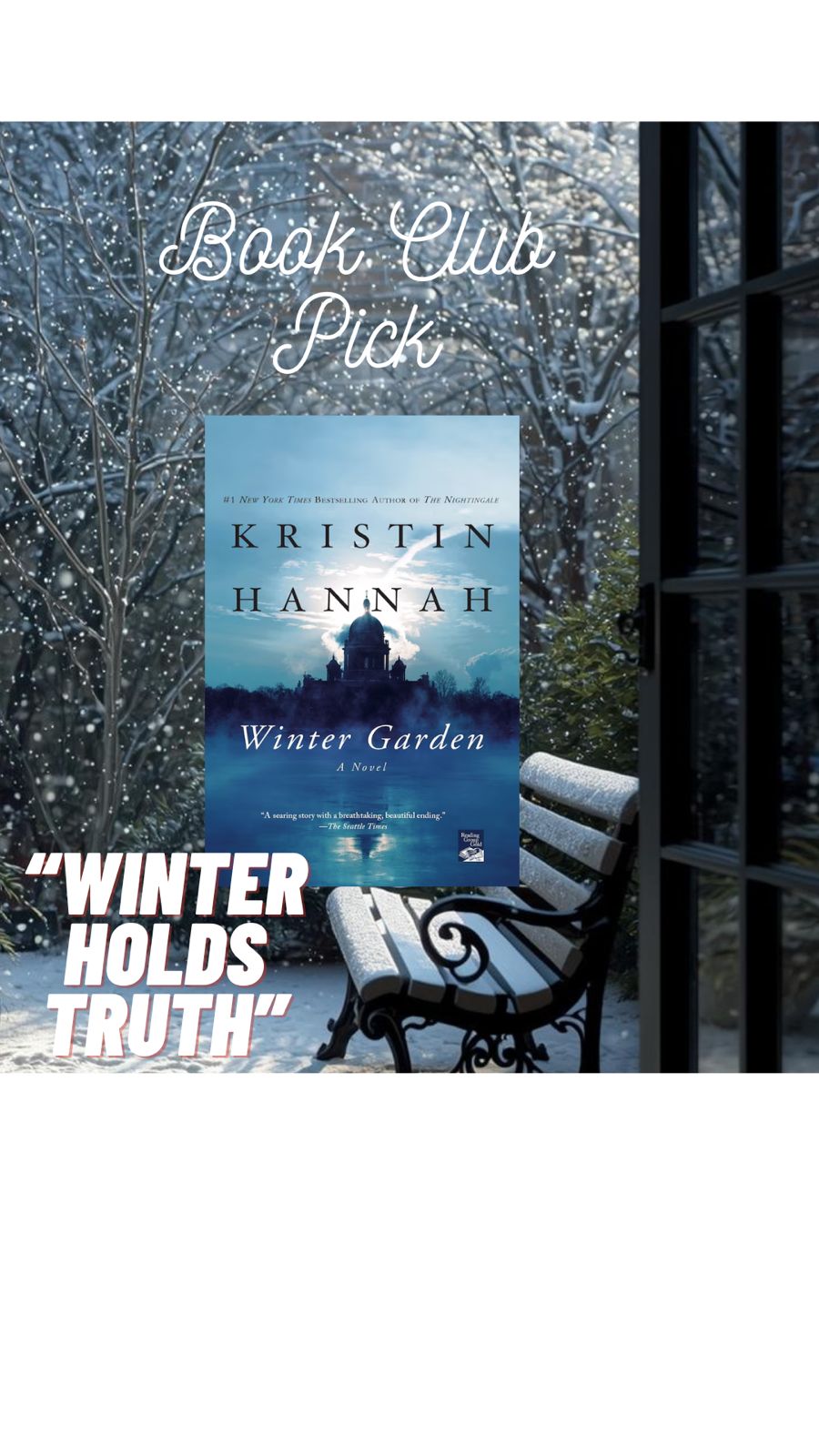
Winter Garden is more than a historical novel; it’s a roadmap for anyone trying to navigate the complicated terrain of family. It reminds us that our parents were people with entire lifetimes of joy, terror, and secrets long before we ever entered the picture.
By the time Anya, Meredith, and Nina find their way back to each other in the crisp air of Alaska, we aren’t just witnessing a family reconciliation we’re witnessing the power of the truth to melt even the thickest ice. It’s a story that asks us to look at our own “winter gardens” and consider what might grow there if we finally found the courage to speak.
My Personal Review: Why You Need to Read This
I absolutely loved this book. Even though I didn’t find myself crying, the story is incredibly moving and deeply felt. I know for a fact that for many of you, this will be a “keep the tissues nearby” kind of read. It is a masterpiece of resilience, love, and the messy reality of family.
What struck me most was the theme of understanding vs. judging. We spend so much of our lives reacting to our parents judging them for their distance, their rules, or their silence without ever stopping to ask why they are that way. This book is a powerful reminder that every “difficult” person is usually just a survivor of a battle we can’t see.
Trying to uncover our family history isn’t just about genealogy; it’s about empathy. It’s about understanding the process our parents went through so we can stop carrying the weight of their past as if it were our own fault. If you love stories that challenge you to look at your own relationships through a more compassionate lens, you have to pick this up.
Marielle’s Rating: 
Pairing Suggestion: A glass of chilled premium vodka. It cuts through the heavy emotions just right.
Since you enjoyed the blend of deep family secrets, historical trauma, and the complex bond between mothers and daughters in Winter Garden, I have a few curated recommendations for your “Next Read” list.
Each of these mirrors that journey of digging into the past to understand the present, and they all pair beautifully with a reflective evening (and maybe another shot of vodka).


If the “mystery from the past” was your favorite part of Winter Garden, this is a must-read. It alternates between 1938 Austria and 1989 Los Angeles.
The Connection: Much like Nina and Meredith, the protagonist discovers a hidden piece of history (a rare postage stamp) that leads her to uncover her father’s secret life as a resistance worker during WWII.
Why You’ll Love It: It explores how parents hide their heroism and their pain to protect their children, and the emotional detective work required to piece the truth together.
If you were captivated by the atmosphere of “Belye Nochi” and the gothic, snowy feel of Anya’s Russian stories, this is your next stop.
The Connection: Set in post-Civil War Barcelona, it’s a “story within a story.” It centers on a boy who is taken to the “Cemetery of Forgotten Books” and becomes obsessed with a mysterious author.
Why You’ll Love It: It deals heavily with how the ghosts of a country’s war-torn past haunt the next generation. It’s atmospheric, slightly dark, and incredibly immersive.
If you loved the specific tension of a daughter realizing her mother isn’t who she claimed to be, Kate Morton is the master of this trope.
The Connection: During a family party, sixteen-year-old Laurel witnesses her mother, Dorothy, commit a shocking crime. Decades later, as Dorothy is dying, Laurel finally tries to figure out what happened in London during the Blitz that turned her mother into someone else.
Why You’ll Love It: Like Anya, Dorothy is a woman with two identities. The “reveal” at the end is one of the most satisfying in modern fiction.
If you’re interested in generational trauma and the way political history shapes a family tree over decades, this is a classic.
The Connection: It follows four generations of the Trueba family in Chile. It features strong, mystical women and a patriarch who, like Anya, struggles to express love in a way his family can understand.
Why You’ll Love It: It’s a bit more “magical” than Kristin Hannah, but the emotional core—understanding where we come from so we can move forward—is identical.
I’d go with The Secret Keeper. It has that same “detective” feel that Nina has in Winter Garden, where the children have to piece together their mother’s life like a puzzle. It’s a perfect follow-up for your blog’s “Resilience and Family History” theme.

Wreck the Halls: A Novel

The First Time I Saw Him
You May Also Like

The Orphanage by the Lake
June 19, 2025
Counterfeit Luxury Wannabes
May 11, 2023